A license is needed for a car because it proves you’re legally trained, qualified, and authorized to drive. It ensures road safety, helps enforce traffic laws, and is required for insurance and accident liability.
Why License Is Needed for Car
Why License Is Needed for Car? A driver’s license isn’t just permission to drive—it’s a legal requirement that proves you’re trained, accountable, and fit for the road. Most societies expect licensed drivers to ensure safety, follow traffic laws, and protect others from avoidable risks.
Legal Requirements for Driving
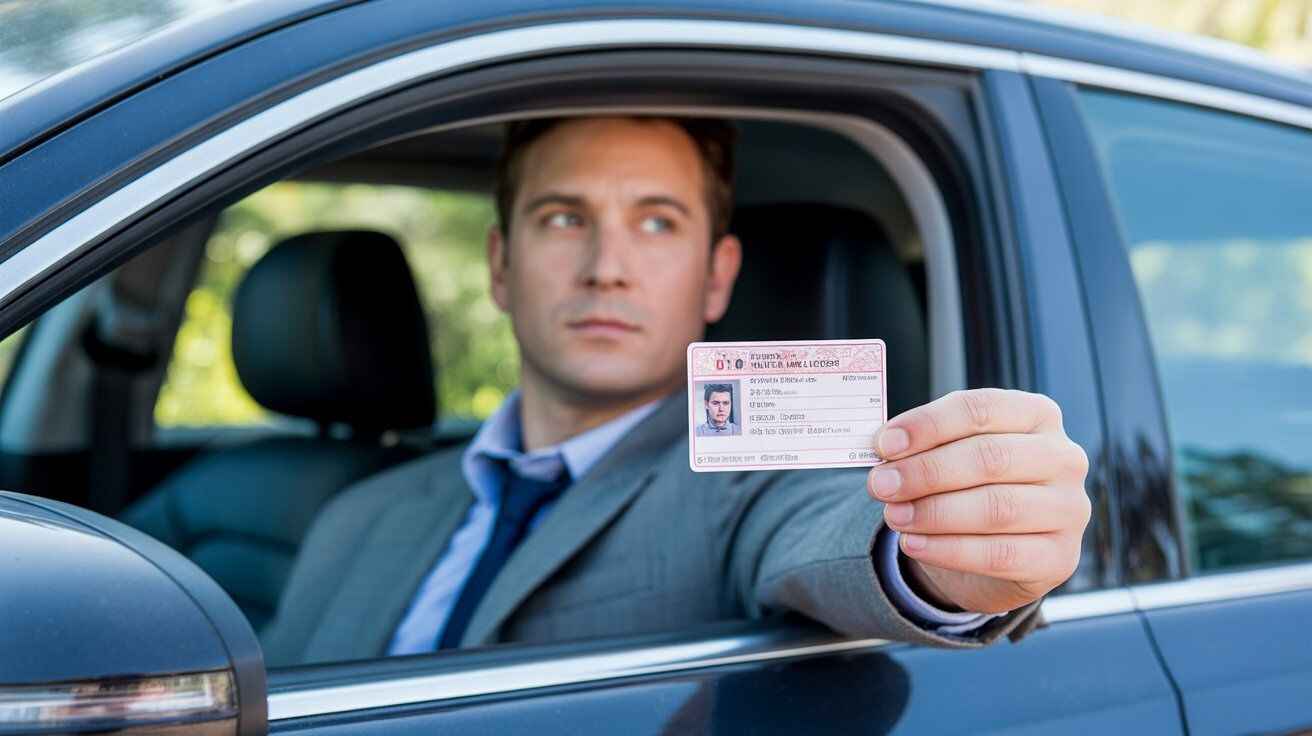
A driver’s license is a legal requirement because it proves you are qualified to operate a vehicle. It’s more than an ID card—it’s legal authorization confirming you understand traffic laws, right-of-way, road signs, and safe driving behavior.
Licensing systems ensure that only trained individuals operate cars on public roads, protecting everyone who shares the space. When you get a license, authorities create a driver record to track violations, apply penalty points, or suspend privileges when needed.
Variations by State/Country
Driving rules differ globally. Some regions use graduated licensing, others require mandatory driving school, and some emphasize strict medical checks or written exams.
License categories, renewal cycles, and penalty systems also vary. Despite these differences, the core purpose remains the same: ensuring safe, competent, and responsible drivers.
Consequences of Driving Without a License
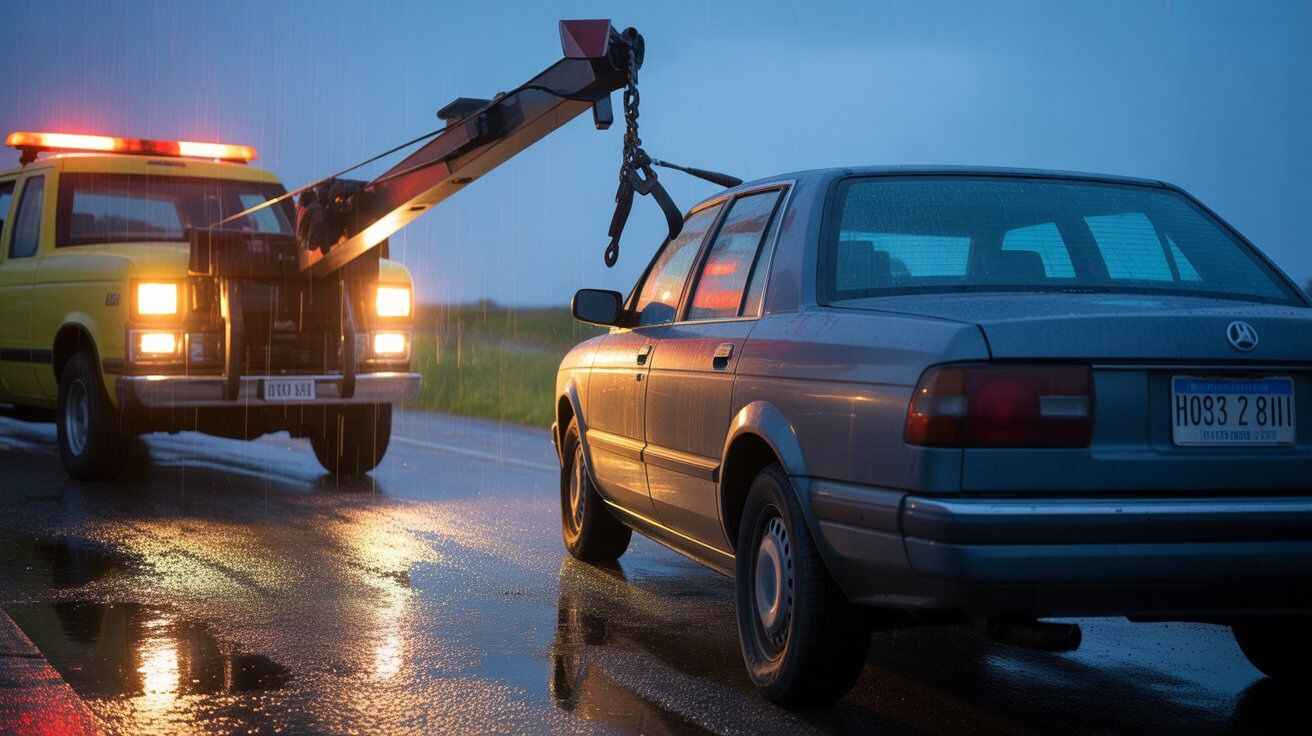
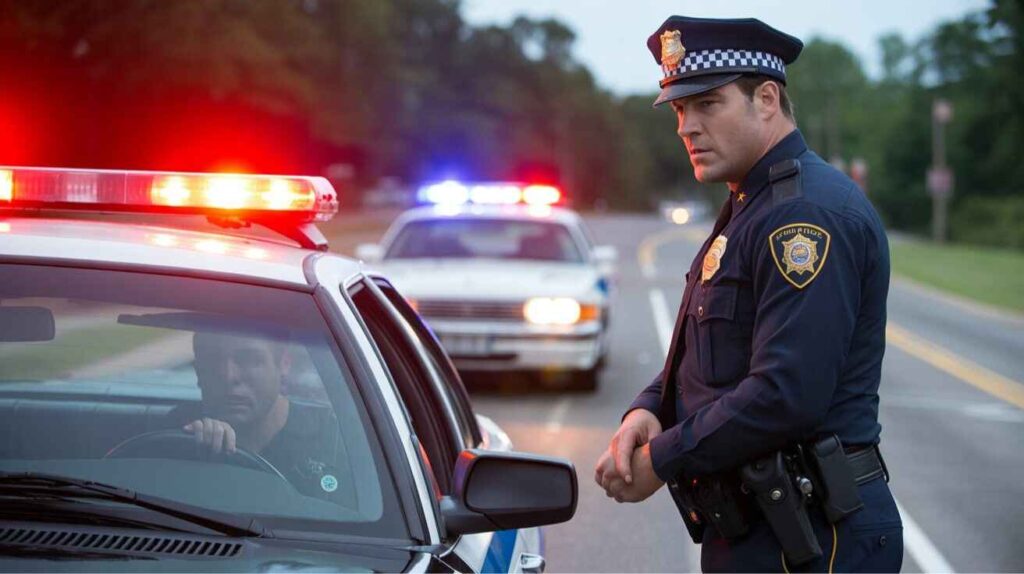
Driving without a license can lead to heavy fines, arrest, vehicle impoundment, and long-term penalties.
In accidents, unlicensed drivers are often assumed negligent and become fully liable for damages. The risks far outweigh the temporary convenience.
Insurance companies also deny all claims, leaving the driver to handle medical, repair, and legal costs alone.
Safety Considerations
Safety is one of the strongest reasons a license is needed. Roads are unpredictable, and a moment of inexperience can cause serious harm. A license proves you know defensive driving, hazard perception, and safe decision-making.
Licensed drivers are part of a monitored system, where violations and dangerous behaviors are recorded. This encourages safer habits and discourages reckless driving.
Without licensing rules, anyone could drive, leading to higher accident rates and major safety risks for all road users.
Testing and Training
Licensing requires passing written and practical exams. The written test checks knowledge of laws, signals, and risk management.
The practical test measures vehicle control, awareness, turning, braking, lane changes, and parking.
Some regions require mandatory training or supervised driving hours, ensuring that only capable drivers receive full privileges.
Impact on Accident Rates
Studies show licensed drivers cause fewer severe accidents than unlicensed drivers. Regions with tough licensing—especially graduated licensing—have lower crash rates among new drivers.
Unlicensed drivers are linked to reckless behavior, hit-and-run cases, and higher accident severity.
Licensing brings consistency, accountability, and improved safety.
Financial Implications
A valid license is essential for insurance. Without it, insurers consider you high-risk and often refuse coverage. Any accident or violation without a license typically voids the policy.
In accidents, unlicensed drivers must pay for property damage, medical bills, and lawsuits out of pocket. Keeping a license is safer and far cheaper.
Unlicensed driving leads to fines, towing fees, court charges, and reinstatement costs.
Insurance Requirements
Insurance companies need a valid license to verify identity, risk level, and driving history. Driving without one can cause policy cancellation, and insurers refuse to pay for any damages—even if you’re not at fault.
A license protects you from massive financial loss.
Cost of Fines and Fees
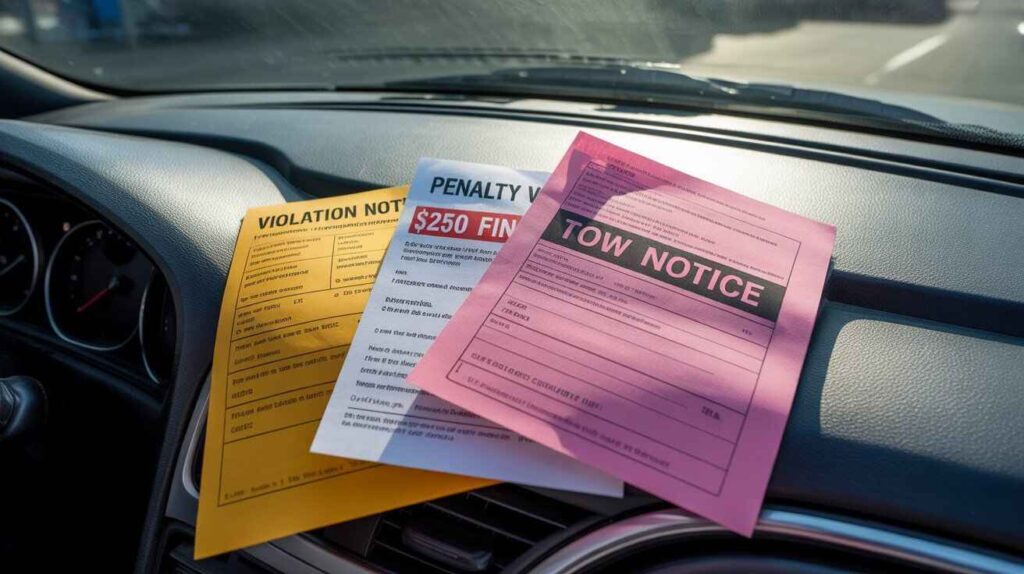
Unlicensed drivers face high fines, impound fees, and court charges. Repeat offenses increase penalties and make future licensing harder.
If an accident occurs, the unlicensed driver becomes fully financially responsible.
Licensing is far more affordable than these penalties.
Economic Factors
A driver’s license affects employment and financial mobility. Many industries require driving, such as sales, logistics, delivery, field services, and real estate. Without a license, job options shrink.
A license also boosts personal mobility, enabling access to healthcare, education, work, and essential services, especially in areas with limited public transport.
A license equals independence and economic opportunity.
Job Requirements
Jobs in delivery, sales, field service, logistics, and emergency services require a valid license. Employers see it as proof of responsibility, reliability, and safety compliance. Without a license, career options become limited.
Accessibility and Mobility
A license gives personal freedom to travel for work, healthcare, groceries, school, and errands. In areas with weak public transport, it becomes essential for independence and productivity.
Social and Ethical Perspectives
Licensing supports a shared sense of responsibility. Earning a license means agreeing to operate vehicles safely and respect rules that protect everyone.
But licensing also raises ethical concerns. Some people face financial, geographic, disability-related, or language-based barriers.
A fair system ensures access to safe training and testing for all while maintaining safety standards.
Shared Responsibility
Licensed drivers must follow traffic laws, stay aware, and respect others. Licensing ensures drivers meet safety standards and helps reduce accidents, creating safer communities.
Ethical Considerations
Fair licensing systems support people who face challenges such as cost, distance, disabilities, or language issues.
With accessible options and safe standards, responsible individuals can earn driving privileges without unfair barriers.
What happens if you drive without a licence
Driving without a licence risks hefty fines, criminal charges, impoundment and denied insurance claims; according to ParkPlus and local guides. Jurisdictional differences — e.g., CA: fines; TX: arrests.
FAQs
1. Why is license needed for car legally?
It proves you’re trained, tested, and authorized to drive responsibly.
2. Can you drive without a license in emergencies?
In most places, no—laws still apply unless it’s a genuine life-or-death situation.
3. Does insurance cover unlicensed driving?
No. Claims are usually denied, and the driver becomes fully liable.