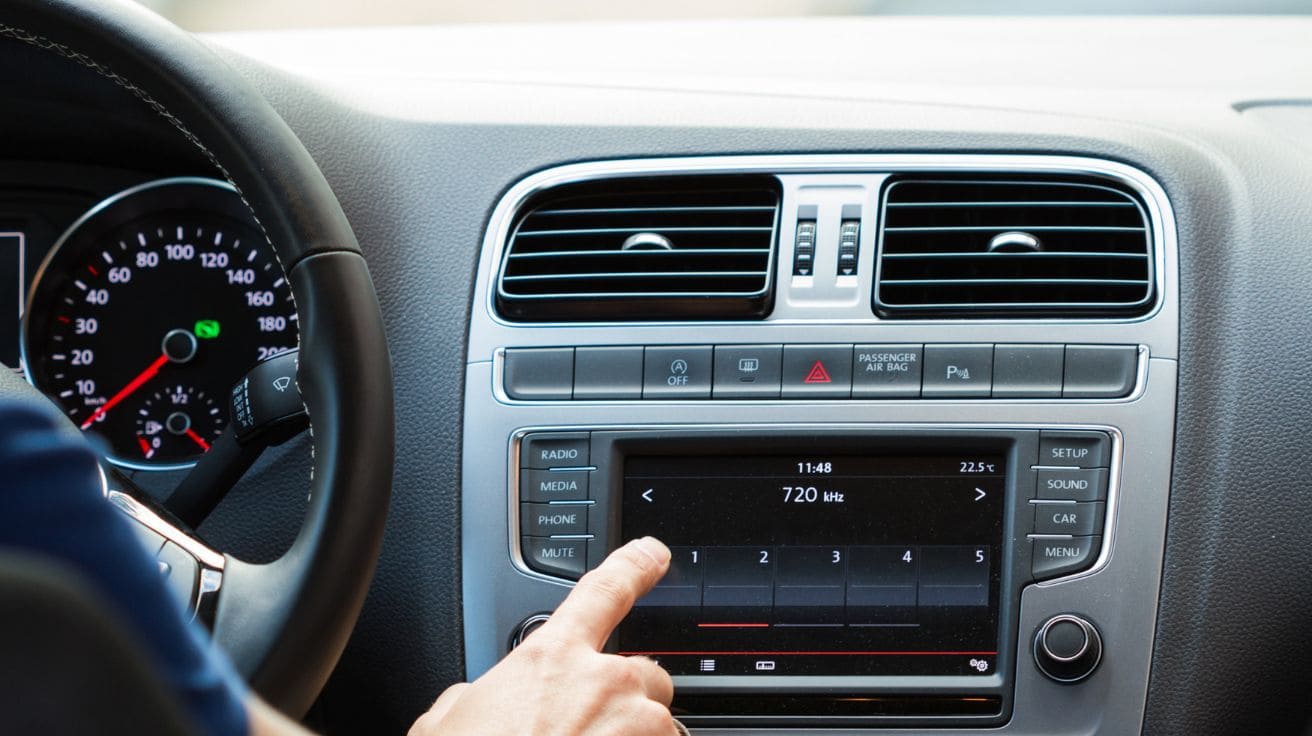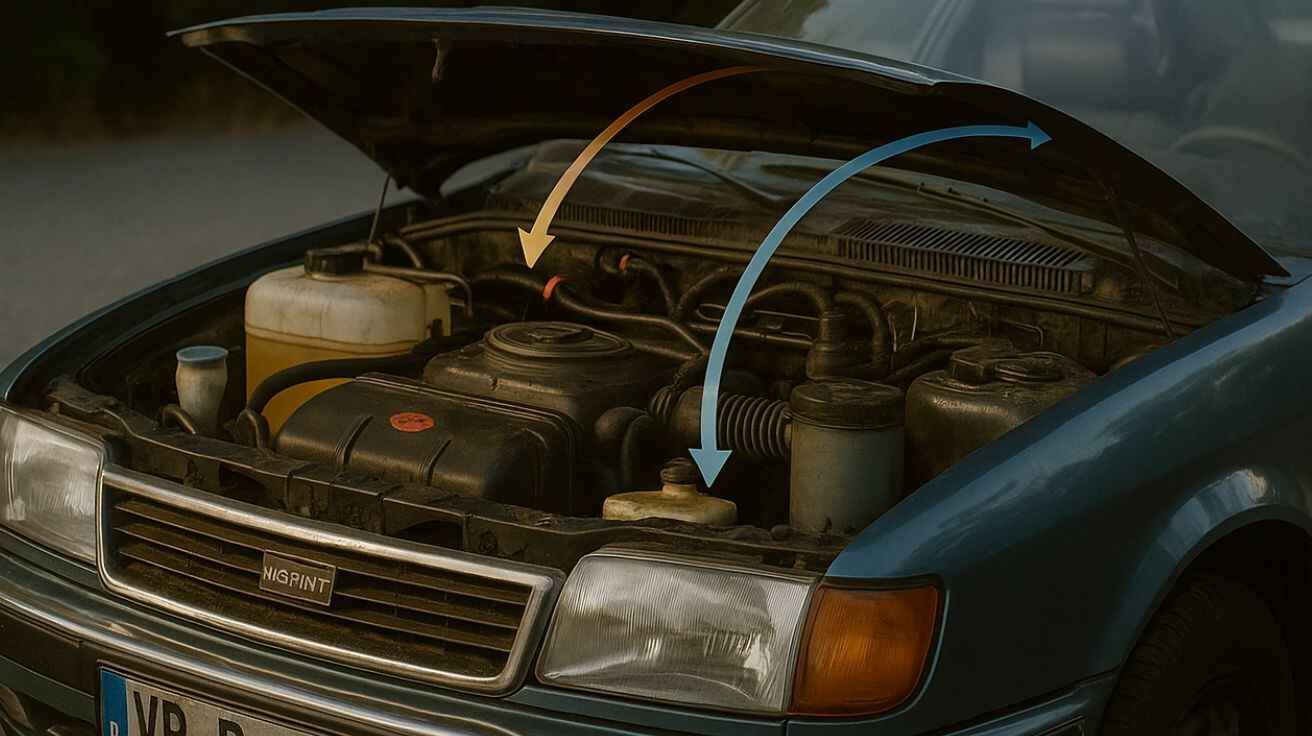
You may hear liquid sloshing in your car when fluids like fuel, coolant, or water shift or get trapped in the vehicle’s systems. This often happens due to low coolant levels, a blocked AC drain, or water collecting in door panels.
Liquid Sloshing Sound
A Liquid sloshing sound in your car usually means liquid is moving where it shouldn’t — in the fuel tank, AC system, or cooling lines.
It sounds like water shifting inside a bottle and often happens during acceleration, braking, or sharp turns, when fluids move rapidly through confined spaces.
Common scenarios when sloshing Sound occurs
These sounds often appear during acceleration, braking, or sharp turns, when fluids shift quickly. Sometimes it’s harmless, like fuel tank sloshing noise or muffler condensation, but other times it points to issues like blocked AC drains or low coolant.
How to Diagnose the Liquid Sloshing Sound
| Step | Action | Why It Matters |
|---|---|---|
| 1 | Note when it happens, turning, braking, or idling | Pinpoints affected system. |
| 2 | Identify the location — front, rear, or doors | Locates noise source. |
| 3 | Check floor mats and trunk for moisture | Finds trapped water. |
| 4 | Inspect the AC drain hose and door drains | Detects clogs or buildup. |
| 5 | Top off coolant and fill the fuel tank | Tests for low fluids or air. |

Possible Causes of the Sloshing Sound
Fuel Tank Sloshing Noise
One of the most common reasons you hear sloshing from the back of your car is fuel movement. Inside the tank, baffles are designed to limit fuel motion. If they loosen or break, you’ll notice a fuel tank sloshing noise when turning or braking.
Try filling your tank; if the sound fades, that’s your culprit. However, persistent sloshing can also come from loose tank straps, water contamination, or even a missing baffle in an aftermarket replacement tank.
As long as there’s no fuel smell or leak, it’s mostly harmless. But have a mechanic inspect if the sound worsens or your car feels unstable.
Water in Doors or Drain Cavities
If you hear water sloshing inside your car doors, especially after heavy rain or a wash, it’s likely blocked door drain plugs. These small openings let trapped rainwater escape from the door cavity. When clogged, the water collects and sloshes when turning or stopping.
Open each door, look at the bottom edge, and gently clear debris from the drains. You’ll often see a stream of water drain out immediately. Keeping these passages clear prevents corrosion and rust in the door panels.
Coolant or Heater Core Air Pockets
Another common cause of sloshing sounds near the dash is air trapped in the heater core or coolant system. When coolant runs low, air bubbles enter the lines and cause a gurgling or liquid sloshing sound behind the dash.
Check the coolant level when the engine is cold and look for leaks. If it’s low, top it up and bleed the system to remove trapped air. If the sound continues or you smell coolant inside, your heater core may need professional attention.
AC Evaporator Drain Clog — Sloshing Under Dash
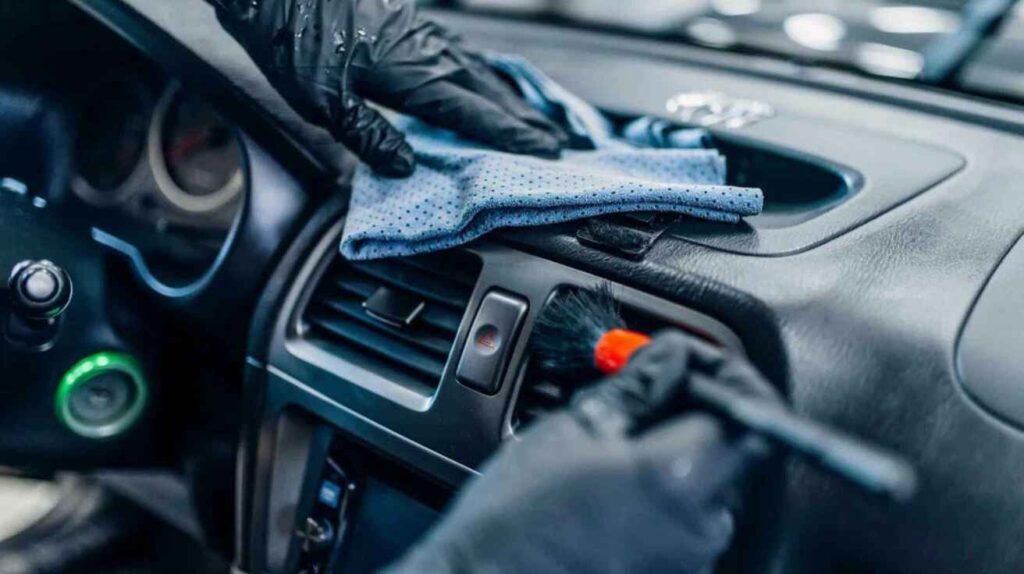
Hearing liquid sloshing under your dashboard when you start or stop the car? That’s usually a clogged AC evaporator drain. As your air conditioner runs, it collects condensation that should drain outside through a small hose.
When that hose blocks, water pools in the evaporator tray and sloshes during turns or stops. You might even notice a musty smell or damp floor mats. Clearing the AC drain hose — typically found under the passenger firewall — solves the issue in minutes.
Solutions and Preventative Measures
1. Regular Maintenance
Keeping up with routine vehicle maintenance helps prevent sloshing sounds from developing. Check and top up coolant, fuel, and windshield washer fluids regularly.
Follow your vehicle’s service schedule and inspect for moisture under mats or in the trunk. Consistent maintenance ensures systems stay sealed and drains remain clear.
2. Addressing Immediate Issues
If you notice liquid sloshing noises, start with quick fixes. Top off low coolant or fuel levels, as both can cause air or fuel movement that mimics sloshing.
Clean clogged door or AC drains using compressed air or flexible wire to clear debris. Removing trapped water early prevents corrosion and odor.
3. Consulting Professionals
When the sloshing sound persists, or you detect a fuel or coolant smell, it’s time to see a certified mechanic.
Professionals can diagnose damaged heater cores, fuel tank baffles, or blocked evaporator drains using pressure tests and inspections. Schedule professional check-ups every six months or at least twice a year for peace of mind.
FAQs
Q1.Is it normal to hear sloshing sounds?
Yes, sometimes — especially with partial fuel tanks or muffler condensation after short drives.
Q2.Why does it sound like water under my dash?
That’s often a blocked AC evaporator drain or coolant air pocket in the heater core.
Q3.Can water in doors damage my car?
Yes. Prolonged moisture causes rust, corrosion, and electrical issues.
Q4.How do I fix a sloshing noise myself?
Clear door drains, fill the fuel tank, and check coolant levels.
Q5.When should I see a mechanic?
If the sound is constant, there’s a fuel smell, or you notice leaks — get it checked immediately.