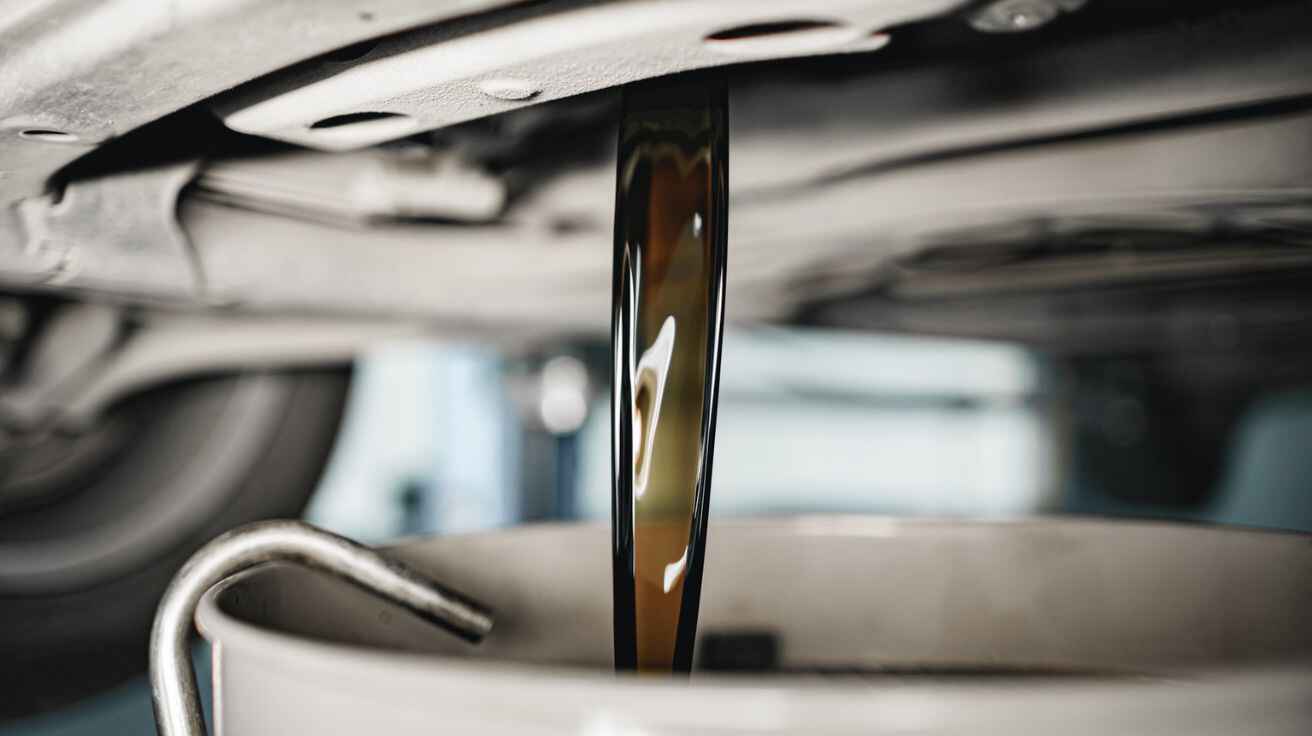
The engine oil is holding up its end by cleaning, cooling and protecting your engine. Car Oil Turn Black is often a sign of normal wear and soot accumulation.
How to Check Your Engine Oil
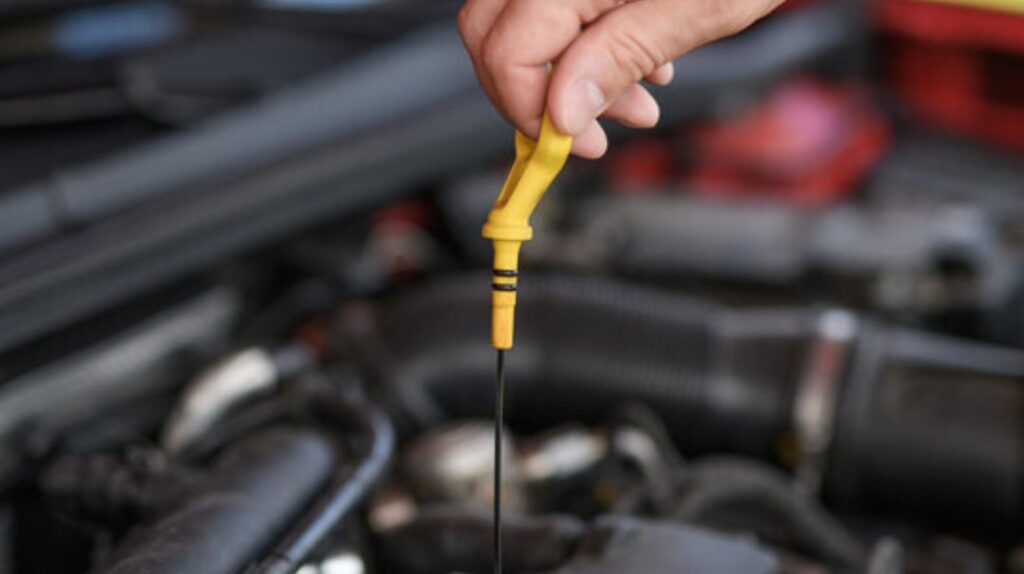
| Step | What to Do | What to Look For |
|---|---|---|
| 1 | Park on level ground, engine warm and off | Stable setup for an accurate reading |
| 2 | Remove dipstick, wipe, reinsert, then re-check | Clear dipstick reading |
| 3 | Analyse the oil colour on the dipstick | Honey/amber to brown-black |
| 4 | Smell and feel the oil | Burnt or fuel smell? Gritty texture? |
| 5 | If unsure, consider oil analysis | Lab testing gives precise oil condition insight |
Main Causes of Why Car Oil Turns Black
1.Soot Buildup in Motor Oil
One major reason car oil turns black is soot from combustion. Every time your engine fires, tiny particles (less than one micron) escape and end up in the oil.
Modern gasoline-direct-injection and diesel engines generate more of these. The oil’s detergents and dispersants collect soot and carry it to the filter. Dark oil, in this case, simply means your oil is working as designed.
2.Heat Cycles + Oxidation Darken Oil
Another key factor: heat cycles and oxidation. As your engine warms up and cools repeatedly, the oil is exposed to oxygen and high temperatures.
Over time, this causes chemical breakdown — the oil’s structure changes, its additive pack alters, and the colour deepens.
3.Oil Additives and Detergents Changing Colour
Here’s a bit less obvious: your oil becomes darker simply because the engine oil additives and detergents are doing their job.
cleaning agents can make the oil appear black, even though the lubrication and protection functions remain intact.
4.Contamination from Dirt, Fuel, or Water
Last, though more serious: contamination. If fuel dilutes the oil, coolant leaks in, or metal wear particles build up, the oil will not only darken but also affect performance.
This is when dark oil can be a warning sign.
The Purpose of Engine Oil
Your engine oil has four vital tasks: lubrication, cooling, cleaning, and sealing.
- Lubrication: It separates moving parts so they don’t grind against each other.
- Cooling: It carries heat away from critical components.
- Cleaning: It picks up deposits, soot, and metal particles, much like a washing machine, which explains why oil darkens as it works
- Sealing: It helps piston rings and cylinders maintain compression.
The right viscosity and oil quality are key. Thicker or higher-grade oils resist breakdown better; synthetic oils, for example, hold up under heat and prevent viscosity loss.
If you skip quality oil or use the wrong grade, you’ll see problems faster.
Implications of Car Oil Turn Black
Performance Issues
When engine oil turns black because it’s just doing its job, it’s usually fine. But if the oil becomes thick, gritty, or smells burnt, then performance will suffer.
The engine may lose responsiveness, fuel efficiency may drop, and wear rates may climb.
Potential Engine Damage
Running on degraded or contaminated oil can lead to engine damage. You risk sludge formation, blocked oil passages, increased friction — and in worst cases, a failed engine.
Dark oil combined with milky texture or metal flakes should raise red flags.
Oil Change Frequency
The fact that oil is black doesn’t, in itself, determine the interval. Instead, look at driving habits: lots of short trips, frequent idling, dusty roads, or heavy loads mean you’ll need changes sooner.
Always check your owner’s manual for the proper oil change interval for dark oil conditions.

How to Address Car Oil Turn Black
Routine Maintenance Practices
Make it a habit to check your oil regularly. Pull the dipstick when the engine is warm and the vehicle is level.
Look at colour, texture, and smell. If you see heavy soot, fuel smell, or a gritty feel — that’s a sign to act. A good oil filter and a clean engine help delay the darkening.
When to Change Oil
Beyond colour alone, these signs indicate change: a burnt smell, sludge-like appearance, metal particles, or oil that becomes thin or watery. If your oil looks milky or foamy, coolant may be mixing in — you’ll need mechanical repair, not just a simple change.
Choosing the Right Oil
Select the correct viscosity grade and oil specification for your vehicle. Synthetic or high-quality conventional oil can resist oxidation and maintain good performance under stress.
Match the oil to your driving style (city vs. highway, heavy loads vs. normal) and consider investing in a high-quality oil filter. Using the right oil means a lower chance of trouble, even when the oil darkens.
Is Black Oil Always Bad?
Not necessarily. Dark engine oil is often just a normal colour change due to soot and heat accumulation.
However, you should worry when dark oil is paired with unusual texture, smell, milkiness, or very short drain intervals.
Dark isn’t bad by itself — but dark + other symptoms = time to dig deeper.
Preventing Blackened Oil Prematurely
- Fix misfiring or rich-running engines (less soot).
- Occasionally, drive at higher speeds to allow condensation and fuel dilution to burn off.
- Use the correct oil grade, change filters on time, and avoid lots of short cold trips. These habits help delay soot buildup in motor oil and extend oil life.
FAQs
Q1: Is it normal for new oil to turn black quickly?
Yes, it usually means the oil is cleaning the engine.
Q2: Does black oil mean engine damage?
Not necessarily — dark oil alone isn’t a warning sign.
Q3: Can I drive with dark engine oil?
Yes, unless it smells burnt or feels gritty.