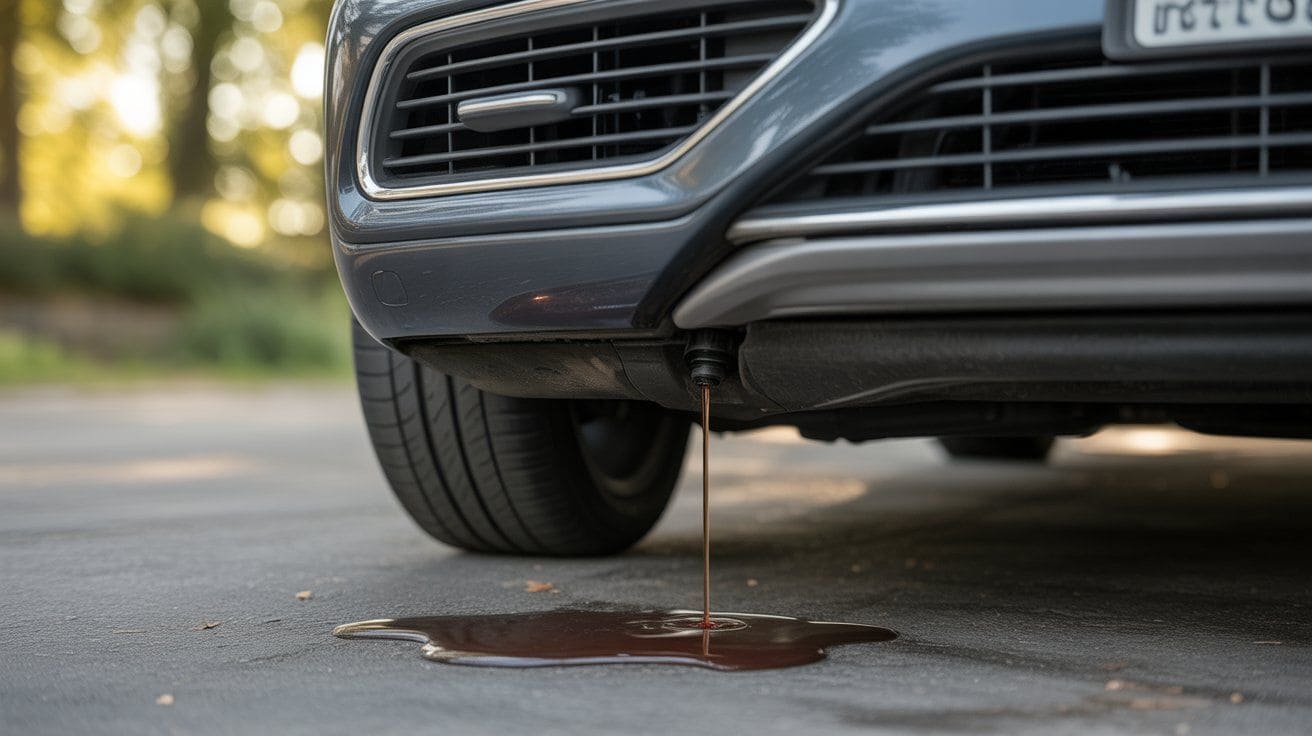
Gas is usually leaking from the bottom of your car because a fuel system component—such as the fuel tank, fuel lines, filler neck, or fuel pump seal—is damaged, corroded, or loose.
Why is gas leaking from the bottom of my car ?
There’s a problem with your fuel system, and it’s a serious safety hazard. Why is gas leaking from the bottom of my car ? Gasoline is highly flammable — even a small leak can create enough fumes to ignite.
If you notice fuel leaking underneath your vehicle, avoid driving it. The leak could be coming from the fuel tank, fuel lines, fuel pump, or EVAP system.
Each of these components can drip or spray fuel onto hot parts under the car.
Symptoms of a Gas Leak from the bottom of the Car
| Symptom | Description |
|---|---|
| Fuel Odor Coming From the Vehicle | Strong gasoline smell inside or around the car, especially after parking or idling — often the first warning sign. |
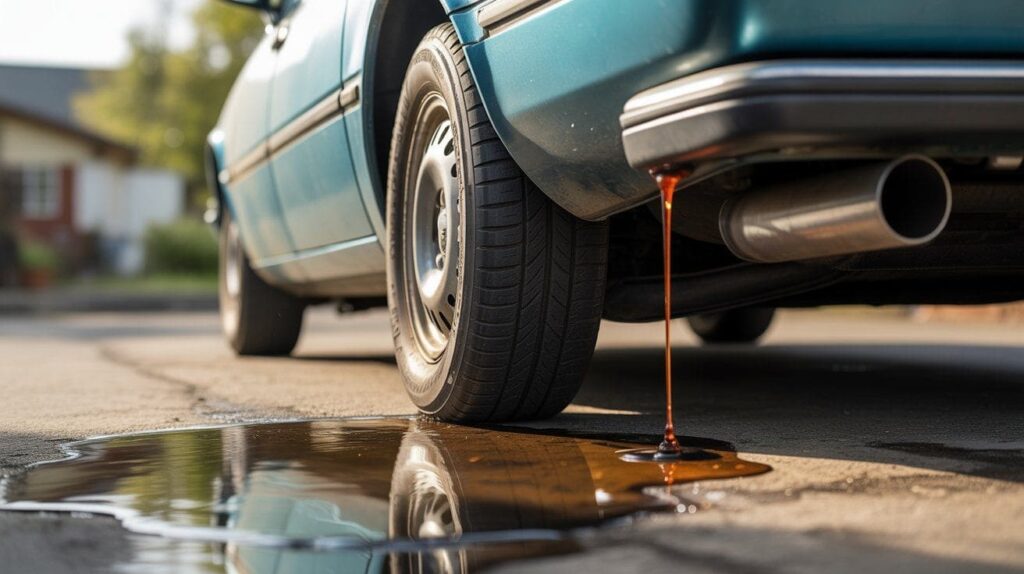
| Puddles or Fuel Stains Underneath | Clear, fast-evaporating liquid appearing under the rear or along the fuel lines — indicates active dripping fuel. |
| Poor Engine Performance | Rough idling, hesitation, or sudden drop in fuel economy due to reduced fuel reaching the engine. |
How to Diagnose a Gas Leak Under a Car
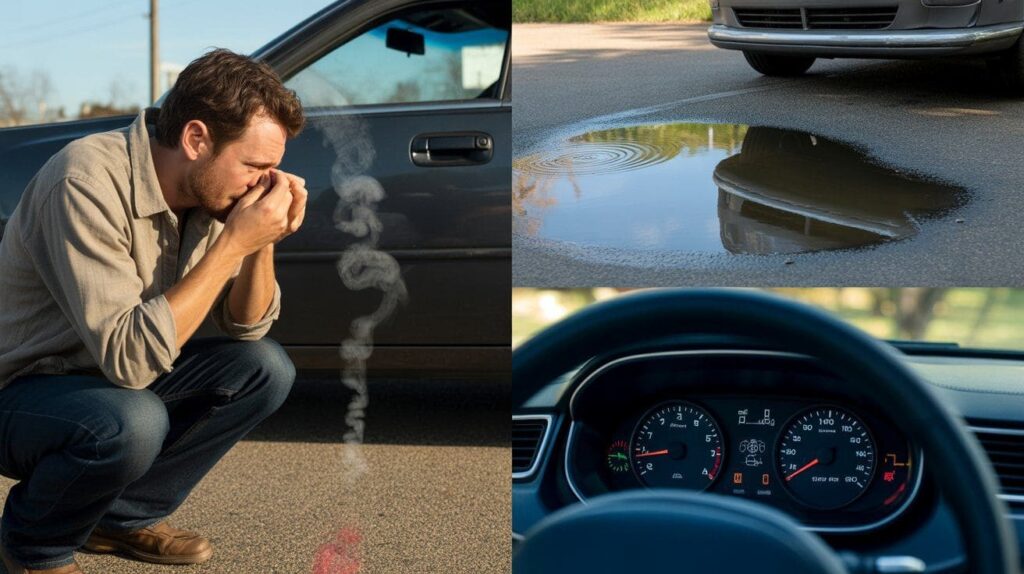
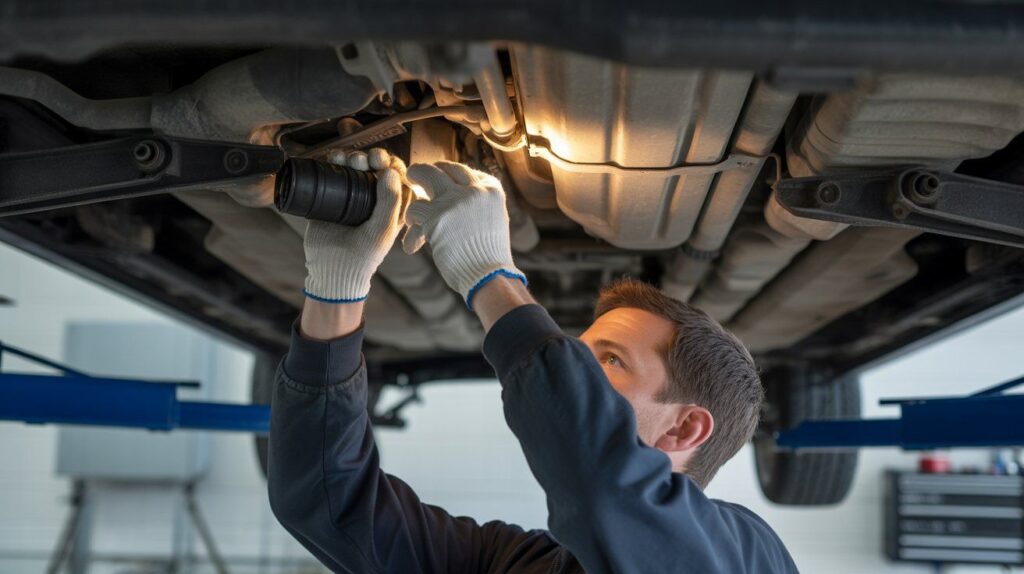
Look Under the Vehicle
Check where the drip forms. If it’s near the rear wheels, the fuel tank or filler neck is likely. Wet streaks along metal tubes may indicate fuel line corrosion.
Use Your Nose (Carefully)
Follow the gas smell, not the liquid. Fuel vapors travel, so sniff around the tank, filler neck, and engine bay—but avoid inhaling fumes directly.
Get a Technician’s Evaluation
A certified mechanic can quickly locate leaks with pressure testing and UV dye. This ensures you’re not guessing with a dangerous issue. If the leak is large, use a tow truck rather than driving.
Common Causes of Gas Leaks from the bottom of the car
1.Rust or cracks in the fuel tank
Corrosion or physical damage can let gasoline drip directly from the bottom of the tank. This often appears as a wet spot or steady drip near the rear of the vehicle.
2.Worn or damaged fuel lines
Aged or rusted lines can split and leak fuel while driving or when parked. Leaks usually follow the metal lines that run from the fuel tank to the engine bay.
3.Loose fuel pump assembly
A faulty seal on top of the tank can cause fuel to escape and run down the sides. You may smell gas strongly after driving or see dampness around the tank edges.
4.Faulty fuel injector seals
Leaks in the engine area can cause fuel odors and poor performance. Misfires or a rough idle can also occur because the engine isn’t getting the proper fuel mix.
5.Damaged EVAP system
Cracked hoses or a failing charcoal canister can cause gasoline vapors to accumulate underneath. This often triggers a check engine light along with strong fuel smells.
6.Filler neck problems
Wear or looseness at the point where you refuel can cause leaks right after filling the tank. Fuel may drip near the rear passenger side and leave a stain on the ground.
DIY Fuel Leak Fixes
| DIY Fix | When It Helps | What You Do |
|---|---|---|
| Replace loose or cracked gas cap | Gas smell after fueling / no visible drip | Install a new OEM-grade gas cap and ensure it clicks tight |
| Tighten hose clamps | Small leaks from rubber fuel hoses near tank or engine | Use a screwdriver to snug clamps — avoid overtightening |
| Clean rusted brackets | Early rust buildup under car that could weaken fuel lines | Brush off rust, apply rust preventative, and inspect lines |
When to Call a Pro
If gas is leaking from the bottom of your car due to a damaged fuel tank, high-pressure fuel line, or issues with the fuel pump or injectors, it’s best to leave the repair to a professional.
These components involve flammable fuel, pressurized systems, and specialized tools. Attempting to fix them without proper training can lead to safety risks and make the leak worse.
A certified mechanic can accurately diagnose the problem and safely complete the repair.
Preventing Future Leaks — Simple Steps
- Inspect the underbody regularly.
Look for rust, damp spots, or worn fuel lines during oil changes or tire rotations. - Prevent rust early.
Treat corrosion as soon as you spot it, especially in areas where road salt is used. - Avoid overfilling the tank.
Stop at the first click — topping off can damage the filler neck and EVAP system. - Replace aging rubber hoses.
Older vehicles often have brittle hoses that crack and seep fuel. - Check the gas cap seal
Make sure it tightens properly and replace it if cracked or loose.
FAQs
1.Is it safe to drive if fuel is leaking?
No. Tow the vehicle—sparks can ignite fumes.
2.Where do leaks happen most?
Fuel lines and tanks are the most common sources.
3.Can a fuel leak ruin my engine?
It can cause performance problems, fuel loss, and fire hazards.