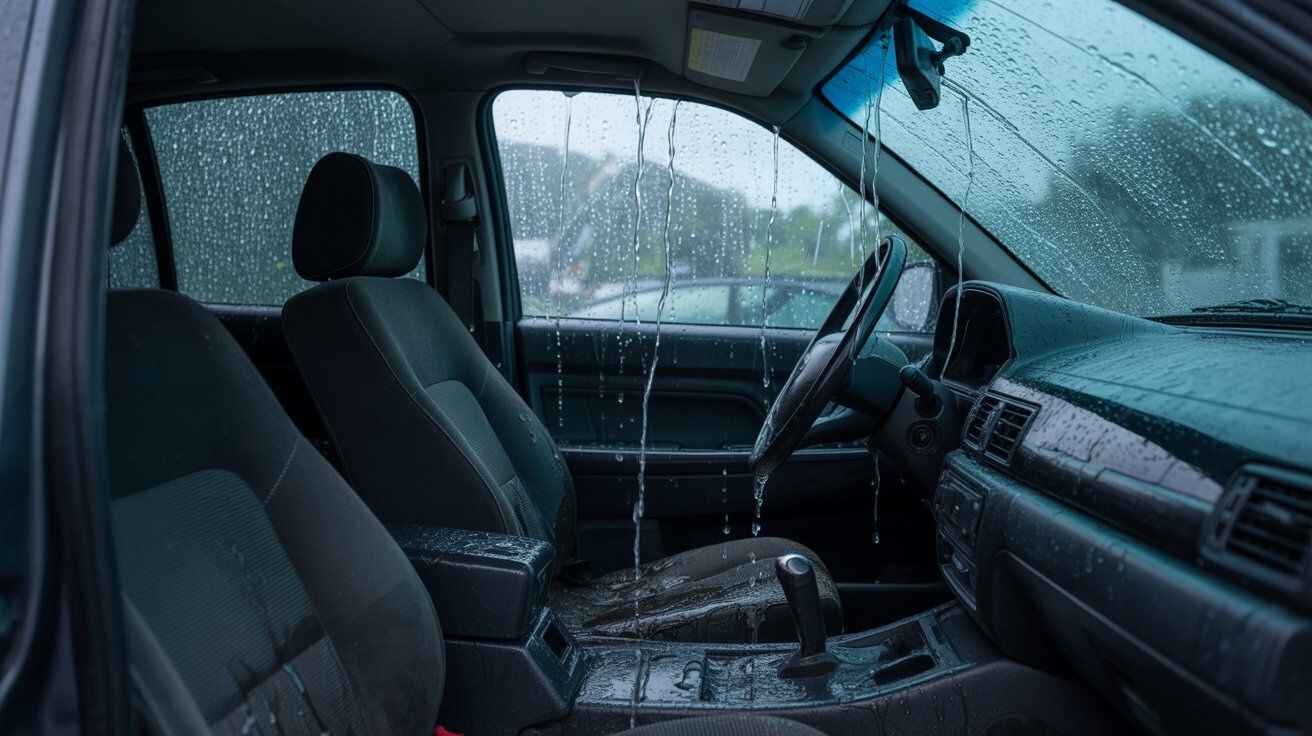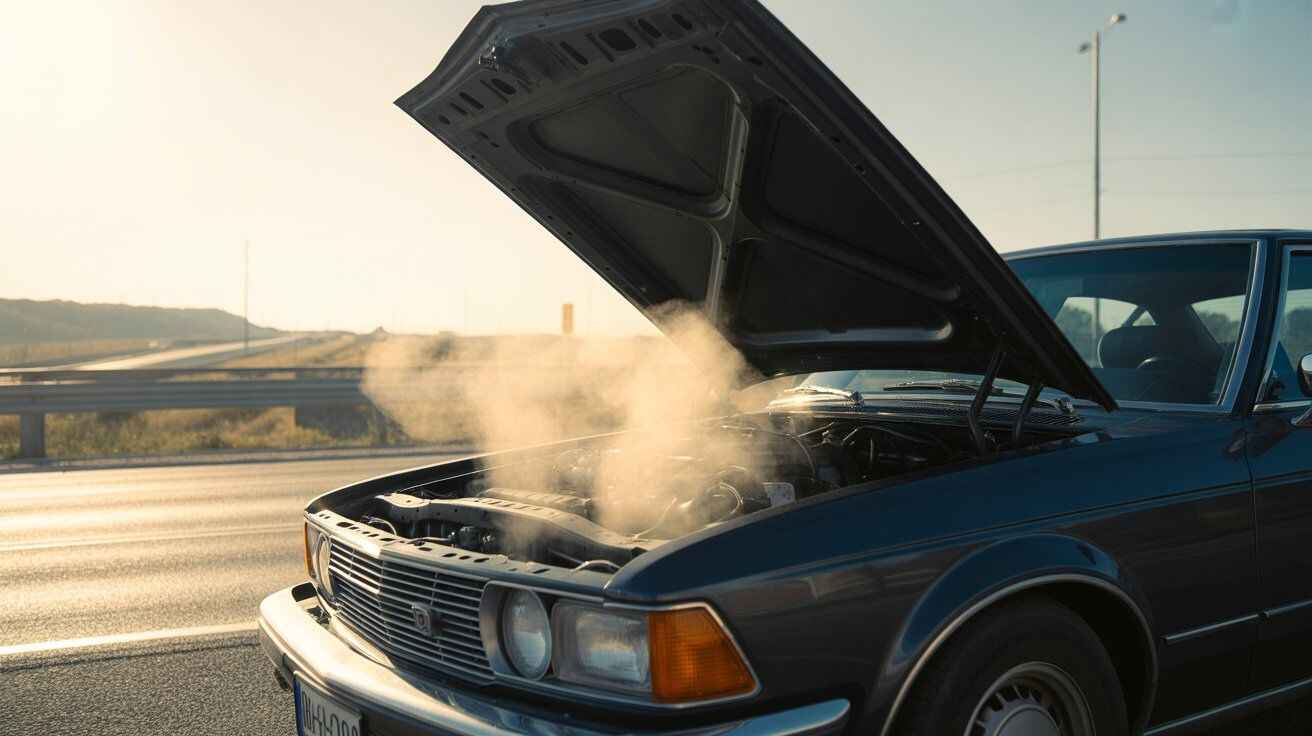
Yes, a car can overheat due to outside temperature, especially in extreme heat. High ambient temperatures reduce the radiator’s ability to cool the engine, and added stress from using the AC or towing can make the problem worse.
Understanding Car Overheating
When your car overheats, the engine temperature rises above its normal range of about 195°F to 220°F. This happens when the cooling system can’t remove heat fast enough.
Common Signs of Car Overheating
| Sign | Description |
|---|---|
| Temperature gauge in red | Indicates the engine temperature is above normal operating range. |
| Dashboard warning lights | Illuminated coolant or temperature symbols signal overheating. |
| Steam or sweet coolant smell | Hot coolant escaping from the radiator or hoses. |
Overheating in hot weather can cause serious engine damage, including warped cylinder heads or a blown gasket. Even a brief overheat can shorten your engine’s life — so it’s vital to act quickly.
What to Do If Your Car Overheats
| Step | Action | Why It Matters |
|---|---|---|
| 1. | Pull over and shut off the engine | Stops further damage. |
| 2. | Turn the heater on high | Draws heat from engine. |
| 3. | Wait 15–30 minutes before opening the hood | Prevents burns. |
| 4. | Add coolant or water after cooling | Restores cooling level. |
| 5. | Visit a qualified mechanic | Fixes root cause. |
Factors Contributing to Overheating
1.Engine Design
Engines generate a lot of heat naturally. Turbocharged and older engines tend to run hotter, and when the air outside is already scorching, they lose their cooling edge.
2.Cooling System Components
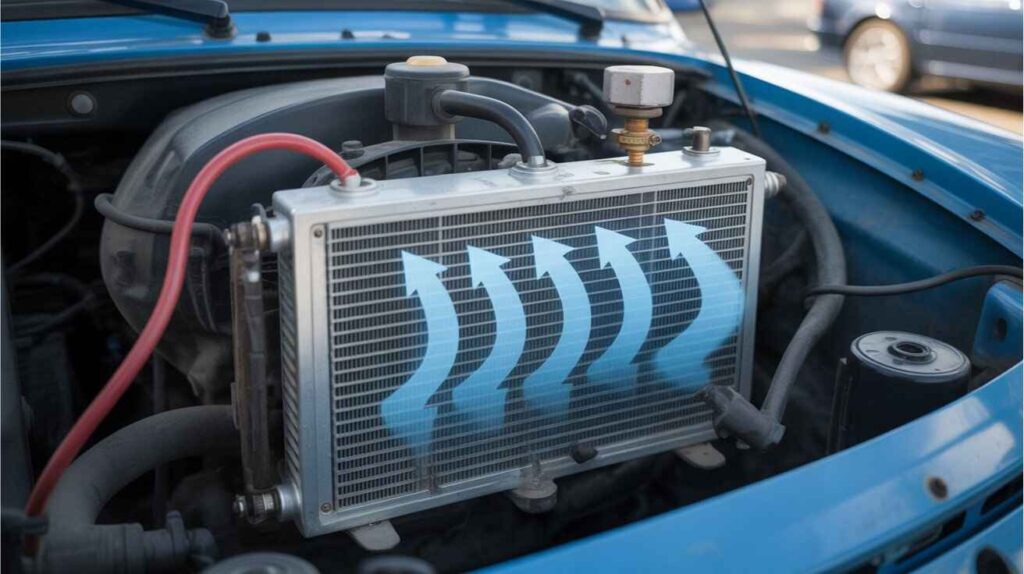
Your radiator, coolant, thermostat, and water pump work together to regulate temperature. A clogged radiator, poor coolant mix, or a stuck thermostat can make your engine struggle to shed heat, especially in the summer.
3.Outside Temperature Effects
When the outside temperature soars past 95°F, your radiator has less cool air to work with. Note more breakdowns from overheating during summer because hot air simply can’t absorb as much heat from the cool.
How Outside Temperature Can Cause Overheating
A car can overheat due to outside temperature when several small factors stack up.
In extreme heat, your radiator’s efficiency drops — the hotter the air, the less it can cool. Meanwhile, running the air conditioner adds workload and blocks airflow to the radiator.
In humid weather, evaporation around the radiator slows, further reducing cooling performance. At 100°F, your system can lose up to 20% of its cooling ability compared to a 70°F day.
This is why cars in desert or tropical climates need more frequent coolant checks and fan maintenance — the engine works harder just to stay within normal temperature.

Common Problems That Worsen in Hot Weather
- Low Coolant Level
- Less coolant means less heat absorption.
- High temperatures speed up evaporation, leaving the engine more vulnerable to overheating.
- Coolant Leaks
- Heat expands metal parts, worsening small leaks.
- Leaks reduce pressure and cause coolant loss, leading to overheating.
- Faulty Thermostat
- A stuck thermostat blocks coolant flow.
- In hot conditions, this can make the temperature gauge spike within minutes.
- Failed Water Pump
- The water pump circulates coolant through the engine.
- When it fails, coolant stops moving — causing instant overheating, especially in traffic.
- Clogged Radiator or Condenser
- Dirt, bugs, and debris block airflow.
- With hot outside air, the cooling system can’t release enough heat.
- Failing Cooling Fans
- Fans are critical when idling or driving slowly.
- Without them, airflow stops and the car overheats even when stationary.
- Bad Radiator Cap
- The radiator cap maintains cooling system pressure.
- A weak or damaged cap lets coolant boil early, triggering overheating.
- AC Load or Towing
- Running the AC or towing in extreme heat adds engine strain.
- Reduced airflow to the radiator makes overheating more likely — a common summer issue noted by CARFAX.
Symptoms — What to Watch For
| Symptom | Description |
|---|---|
| High temperature gauge or warning light | Shows the engine is running hotter than normal. |
| Steam or boiling coolant smell | Indicates coolant is overheating or escaping under pressure. |
| Loss of power or weak acceleration | Engine performance drops as temperature rises. |
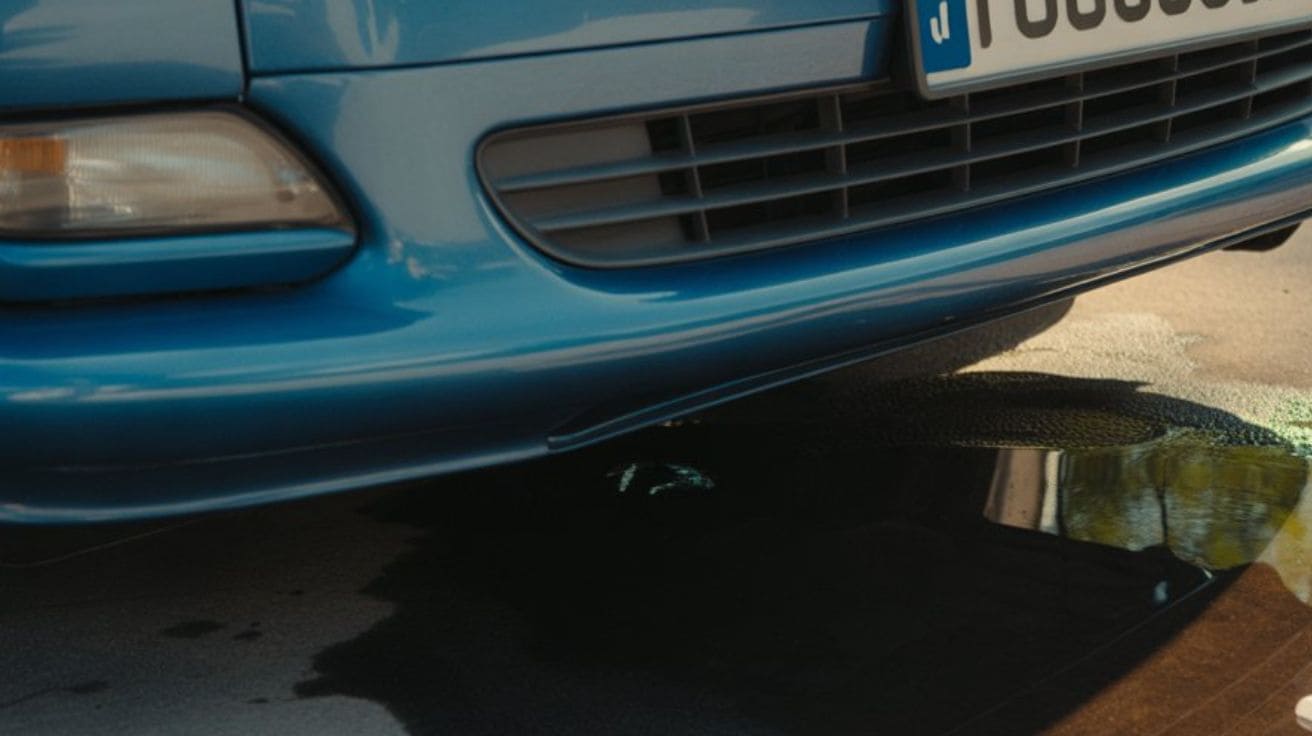
| Coolant puddles under the car | Signals a leak in the cooling system. |
If you see any of these, pull over safely, turn off the AC, and turn on the heater to draw heat from the engine. Wait 15–30 minutes before checking coolant — never open a hot radiator cap.
Preventing Overheating in Hot Weather
Regular Maintenance
Keep coolant levels full and flush your radiator every two years. Inspect hoses, clamps, and radiator caps for wear before summer hits.
Driving Habits
Avoid towing or idling too long in high heat. Drive during cooler parts of the day, and reduce AC usage when temperatures spike.
Early Warning Signs
A slowly rising temperature gauge or weak AC are red flags — address them early to avoid major damage.
FAQs
Q1: Can hot weather alone cause a car to overheat?
Not usually — it increases the risk but usually exposes existing cooling issues.
Q2: Why does my car overheat with AC on?
The AC compressor adds engine load and blocks radiator airflow.
Q3: How can I prevent overheating in summer?
Maintain coolant levels, keep your radiator clean, and avoid long idling in extreme heat.