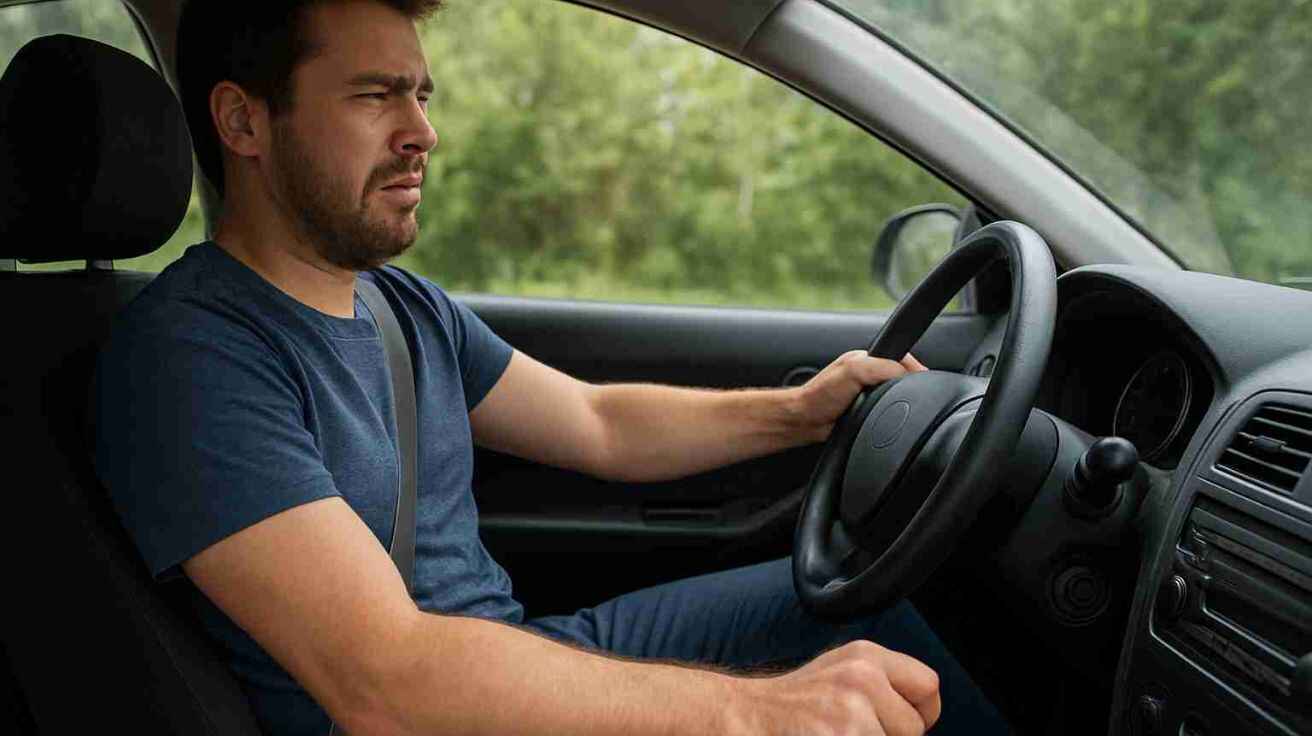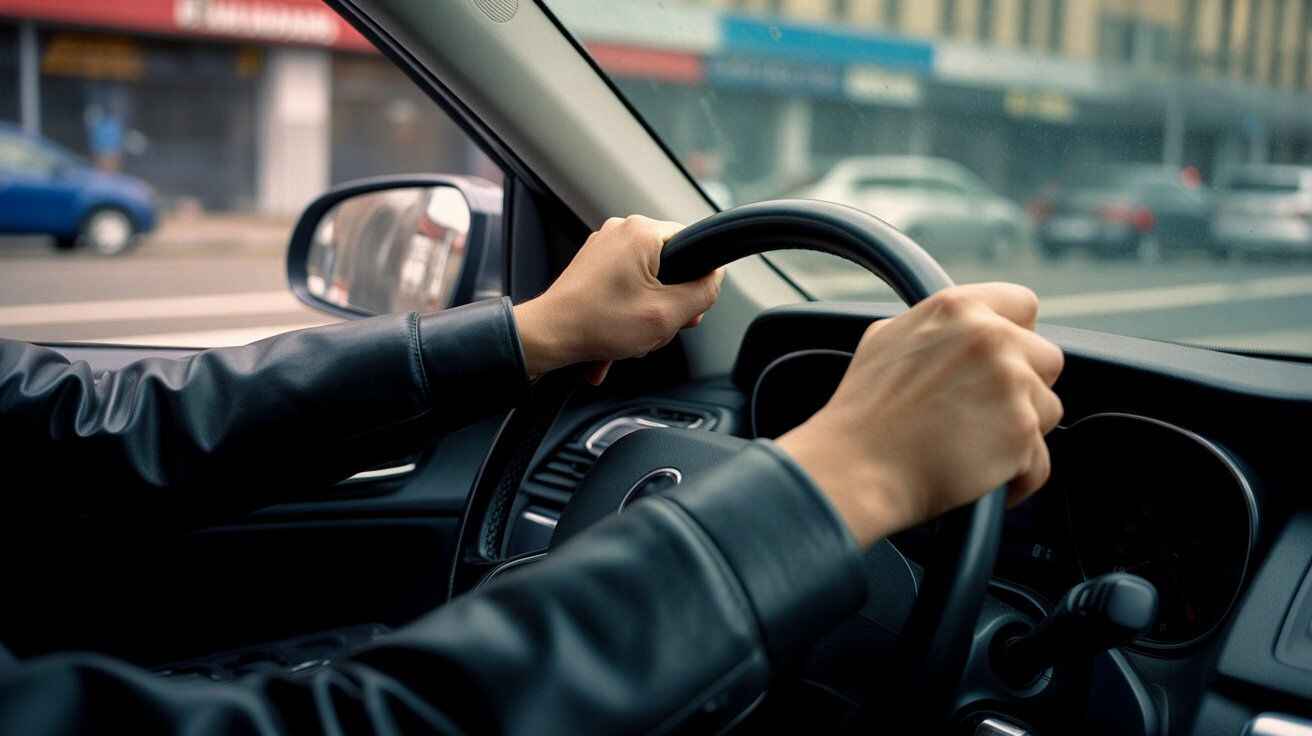
The car tells you to take a break because its driver attention monitoring system detects signs of fatigue or inattention. It analyzes your steering patterns, lane position, and driving duration.
What Exactly Does Take a Break Mean?
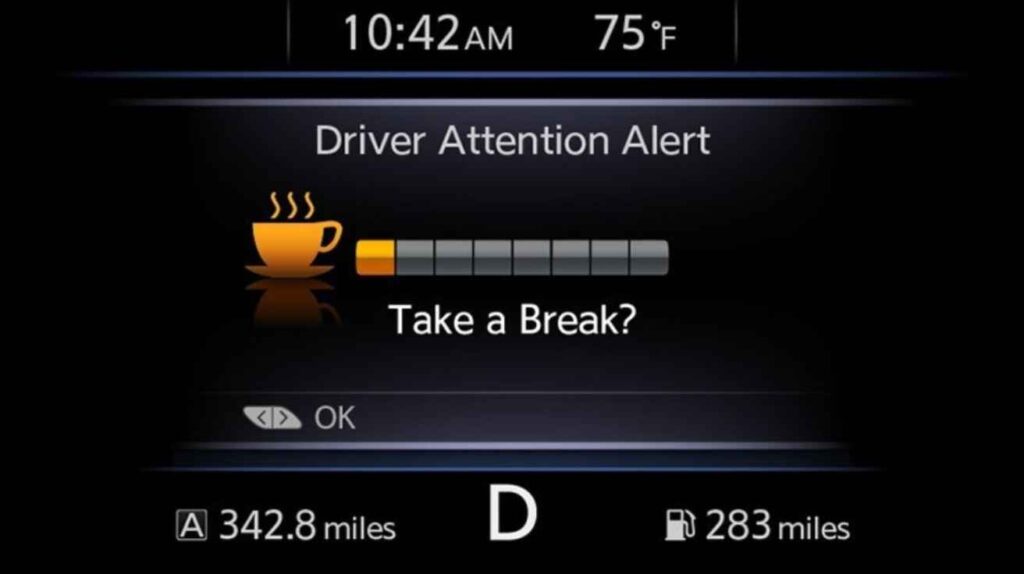
When your dashboard flashes a Take a Break message, your car isn’t malfunctioning — it’s looking out for you. This alert comes from the driver attention monitoring system, a feature designed to sense signs of fatigue or reduced focus.
Manufacturers call it by different names, such as Attention Assist (Mercedes-Benz), Driver Attention Warning (Hyundai/Kia), or Driver Attention Alert (Nissan). Despite the different terms, the purpose is the same: to remind you that you may need to rest.
It’s important to note that this is an alert, not an autonomous control. Your car won’t steer or stop for you — it’s simply a friendly warning to pull over safely, stretch, and recharge before continuing your journey.
Understanding the Alert System
Your car’s driver fatigue detection system monitors subtle cues such as steering behavior, speed consistency, and lane positioning. When these patterns suggest tiredness, the system triggers the driver’s attention warning—usually with a dashboard symbol or sound.
Types of Alerts
Modern vehicles use several kinds of alerts to grab your attention when the driver drowsiness attention system detects fatigue or distraction. These alerts are designed to be noticeable but not alarming — a gentle reminder to take action before tiredness becomes risky.
1. Visual Alerts
You’ll often see these right on your dashboard or driver display. The most common is the coffee-cup icon or a text message such as Time for a Break or Take a Rest. Some cars even show simple animations or suggest nearby rest stops. These visual cues are effective because they quickly catch your eye without breaking your focus on the road.
2. Auditory Alerts
In addition to the dashboard message, many vehicles use a soft chime, beep, or spoken prompt. The sounds are carefully tuned — loud enough to notice but not startling. For example, your infotainment system might play a short tone followed by a calm message like, Consider taking a break.
These are part of Advanced Driver Assistance Systems (ADAS) aimed at preventing drowsy driving accidents. They don’t mean something’s wrong with your car—they’re a friendly reminder that you might need a short rest.

Reasons For Break Alert
Long-Distance Driving
When you’ve been on the road for hours, your reaction time slows and focus fades. Even if you don’t feel tired, your driver fatigue monitoring system can sense small changes—like over-steering or delayed corrections—that signal fatigue. The longer the continuous drive, the more likely you’ll see the take-a-break alert.
Recommended Break Intervals
Safety experts like the NHTSA recommend a rest every two hours or 100 miles. Many cars are programmed to issue the alert around this interval.
Vehicle Sensors and AI
Modern vehicles use AI-based sensors to read steering wheel input, lane position, and sometimes even facial expressions. When irregularities appear, your car politely suggests a pause. False triggers can happen on bumpy roads, during crosswinds, or when you’re constantly changing lanes—but it’s better to be safe than sorry.
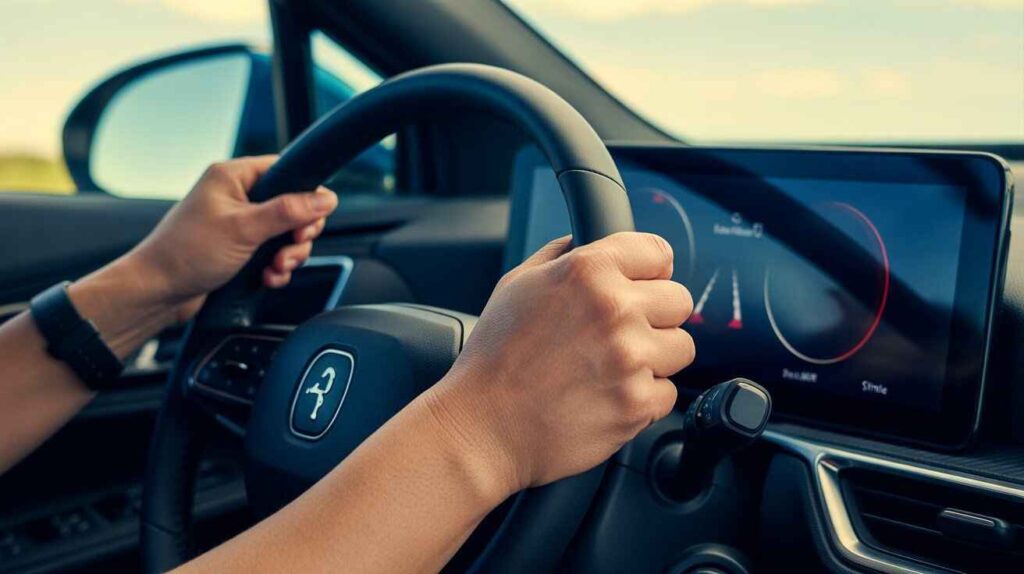
Benefits of Taking a Break
Heeding the car break alert offers both physical and mental rewards.
Physical Health
After hours of driving, muscles stiffen and blood flow decreases. Pulling over for a quick walk or stretch boosts circulation and reduces neck or back strain.
Mental Health
Short breaks lower stress, restore focus, and keep reaction times sharp. Even a 10-minute stop for water or fresh air can reset your brain.
Remember: the alert isn’t a nuisance—it’s a built-in safety companion reminding you to prioritize driver well-being and alertness.
What to Do When You Get an Alert
When your car tells you to take a break, don’t ignore it. The system has likely noticed signs of drowsy driving before you have.
Finding a Safe Space
Look for a rest area, gas station, or parking lot where you can safely stop. Avoid highway shoulders or narrow exits.
Stretching and Hydration
Once parked, stretch your arms, shoulders, and legs. Walk for a few minutes to get blood moving. Drink water and eat a light snack instead of caffeine overload.
If you’re on a long trip, consider switching drivers or using a fatigue-monitoring app to schedule regular rest stops. Taking these steps helps you return to the road refreshed and more alert.
FAQs
Q1. Why does my car tell me to take a break even when I’m fine?
Sensors may detect road vibration or small steering changes that mimic drowsiness—it’s precautionary.
Q2. Can I turn the alert off?
Yes, most cars allow you to adjust or disable driver attention warnings in the settings, but it’s best to leave them active.
Q3. Does every car have this feature?
Not all, but most modern vehicles with ADAS or fatigue detection systems include it.