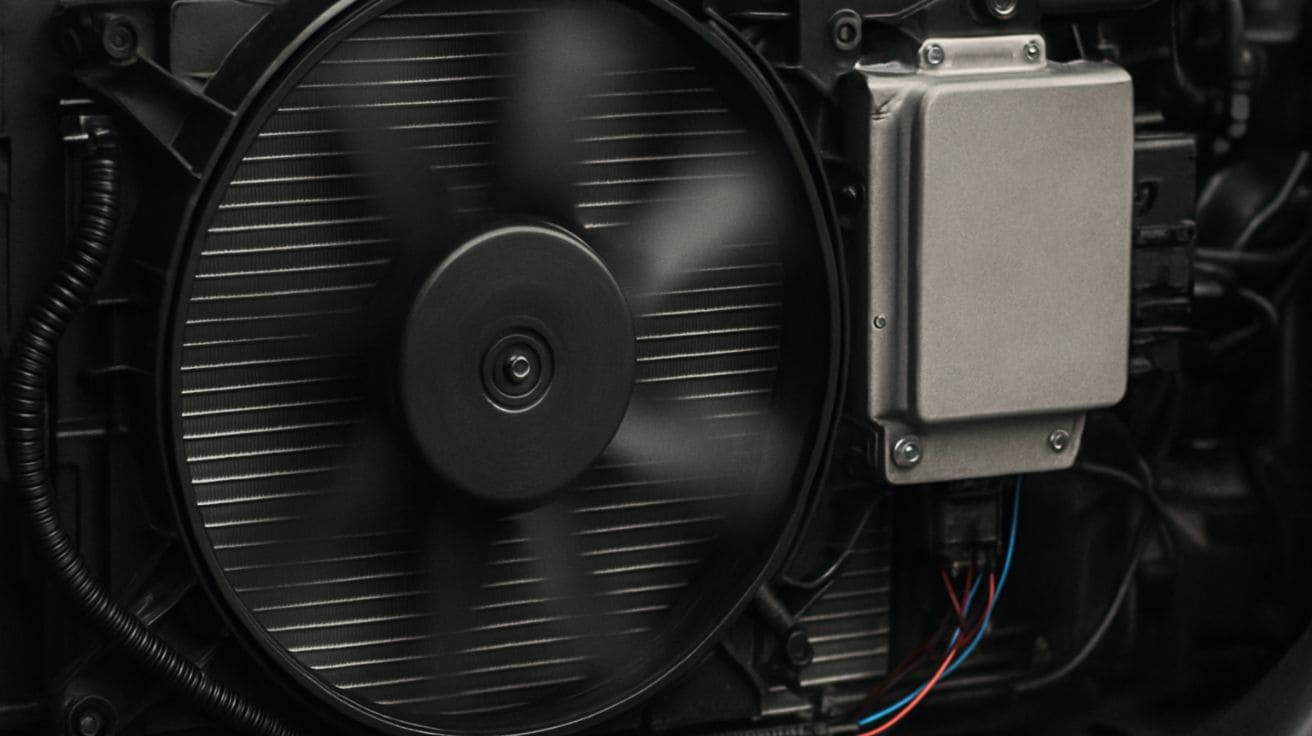
The car starts and then dies because it’s not getting enough fuel, spark, or air to stay running. Common reasons include a faulty fuel pump, a clogged filter, a dirty sensor, or a weak battery.
Why Your Car Starts and Then Dies ?
Why Your Car Starts and Then Dies ? It’s frustrating when your car starts but dies seconds later. This common issue can stem from fuel, ignition, or electrical problems that prevent the engine from staying alive. Understanding why this happens is key to fixing it quickly and safely.
Common Symptoms of Ignition Problems
| Symptoms | Description | Effect on Engine |
|---|---|---|
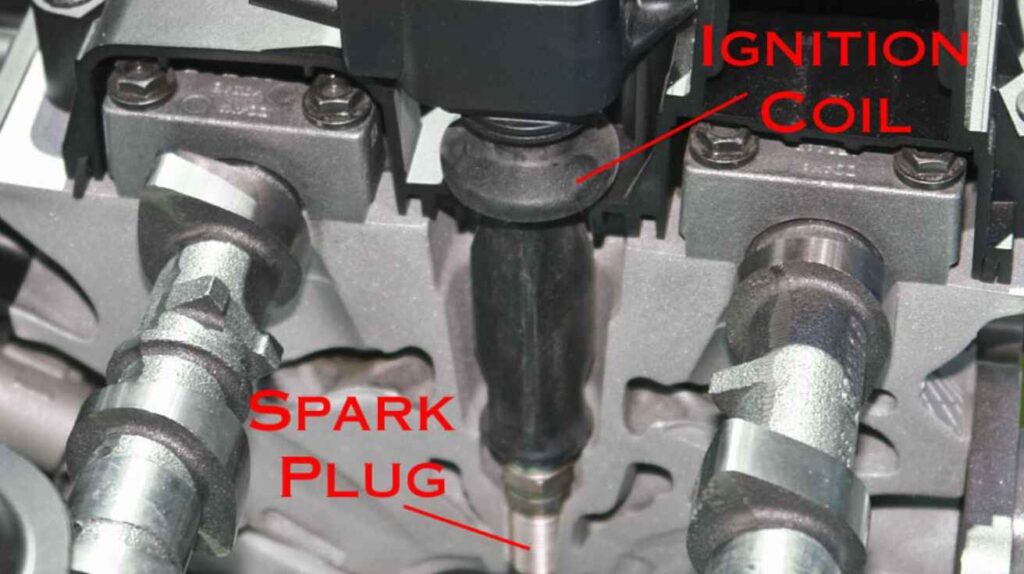
| Weak Ignition System | When spark plugs or ignition coils fail to deliver consistent spark, the combustion process stops. | Engine starts briefly but stalls right after. |
| Electrical Faults | Loose connections, corroded terminals, or a weak alternator interrupt power to critical components. | Ignition or fuel systems lose power, causing the car to shut off. |
| Battery Issues | Low battery voltage or poor terminal contact reduces the current needed for ignition and sensors. | Engine may fire up once but cannot continue running. |
9 Common Causes Why Your Car Starts Then Dies
1. Fuel Pump Failure or Low Fuel Pressure
A weak or failing fuel pump can’t maintain the pressure your engine needs to stay running. If you don’t hear the pump hum when turning the key, it may not be delivering fuel properly.
2. Clogged Fuel Filter or Contaminated Fuel
A dirty or blocked filter restricts fuel flow, causing your car to start but die shortly after. Old or bad fuel can have the same effect, especially after long storage.
3. Dirty Mass Airflow (MAF) Sensor
When the MAF sensor sends incorrect air readings to the ECU, the air-fuel mixture becomes unbalanced, causing the engine to run lean and stall. Cleaning it with MAF cleaner usually helps.
4. Bad Spark Plugs or Ignition Coils
Worn or fouled spark plugs and failing ignition coils weaken the spark needed to ignite fuel. This results in misfires, rough starts, or the engine dying soon after ignition.
5. Vacuum Leaks
Cracked vacuum hoses or loose intake clamps allow unmetered air into the system, throwing off the fuel-air ratio and causing unstable idle or quick shutdown.
6. Idle Air Control Valve (IACV) Failure
A sticky or clogged IAC valve can’t regulate idle speed correctly. The moment you release the key, the engine doesn’t get enough air to stay running.
7. Anti-Theft or Immobilizer Lockout
Modern vehicles use security systems that cut off fuel or ignition if they sense a key or chip mismatch. If the car starts and then dies instantly, the immobilizer may be preventing the engine from operating.
8. Weak Battery or Alternator
A weak battery or bad alternator can’t supply consistent voltage to ignition and sensors. When voltage drops below required levels, the ECU shuts down, and the engine stalls.
9. ECU or Wiring Faults
Damaged wiring, poor grounds, or a failing engine control unit can send false data that interrupts fuel and spark timing, leading to sudden engine shutdown.
Diagnosing the Issue Before Replacing Parts
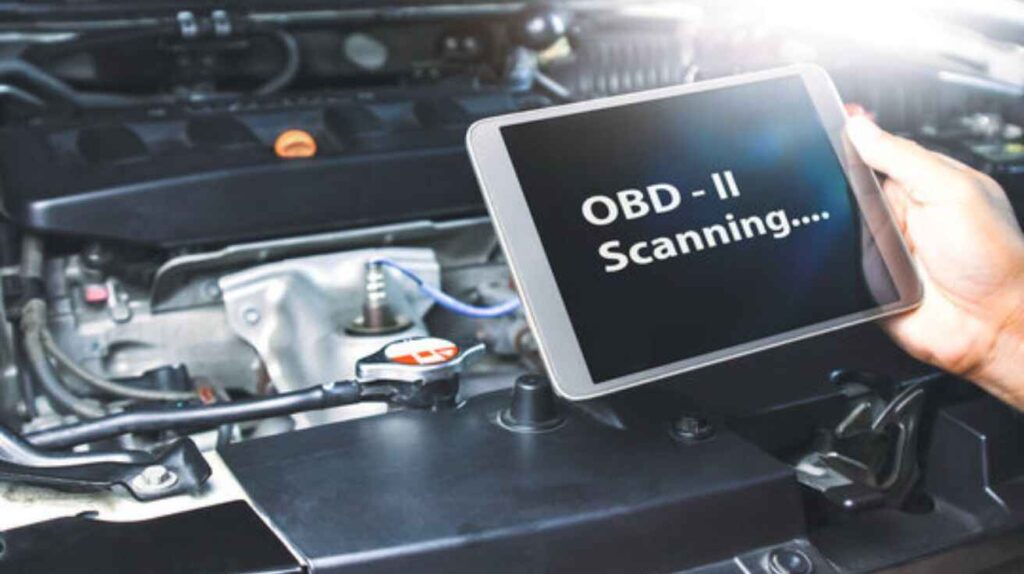
Using Onboard Diagnostics (OBD-II)
Every modern car has an OBD-II port, usually under the dashboard. Plug in a scanner, read the codes, and note any related to fuel, spark, or airflow.
Common ones include P0300 (misfire), P0171 (lean mix), and P0190 (fuel pressure sensor). If your check engine light flashes then your car dies, this step is essential. Clear the codes, test drive, and see if they return—this helps confirm the real cause.
Visual and Manual Checks
Start with the basics: check battery voltage, fuses, and ground connections. Inspect fuel lines for leaks, vacuum hoses for cracks, and ignition wires for wear.
Listen for the fuel pump’s prime sound when turning the key. If you hear nothing, it might be a relay or pump issue.
Solutions to Fix the Problem
Replacing Fuel System Components
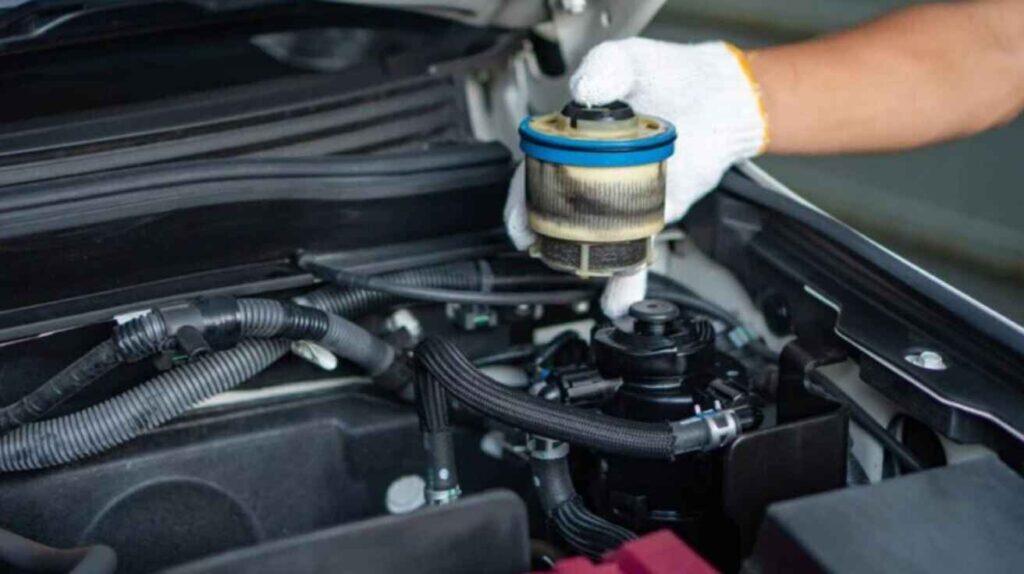
If diagnostics point to a weak fuel pump or clogged filter, replace them promptly. Always relieve pressure before disconnecting lines.
Basic tools include a socket set, fuel line disconnect tool, and safety glasses. Clean fuel injectors if buildup is visible, and use quality fuel to prevent repeat issues.
Addressing Ignition Issues
Check for spark using a tester. Replace faulty spark plugs or ignition coils in pairs to ensure even firing. Always disconnect the battery before working near plugs or coils, and double-check the gap on new plugs to manufacturer specs.
Battery and Electrical Repairs
Measure voltage with a multimeter—anything below 12.4V may indicate a weak battery. Clean corroded terminals and tighten clamps.
If voltage drops while running, the alternator could be the culprit. Electrical problems often require professional help, especially if ECU or wiring damage is suspected.
When to Seek Professional Help
If your car continues to stall after basic troubleshooting, it’s time to see a mechanic. Persistent stalling, no-start conditions, or electrical faults often need specialized diagnostic equipment.
A professional can perform fuel pressure tests and sensor checks far more accurately. Typical diagnostic fees range from $80–$150, but accurate identification saves you from costly guesswork.
Never keep driving a car that starts and then dies repeatedly—it can damage the catalytic converter or other key components.
FAQs
Q1: Can a weak battery cause this?
Yes. A weak or corroded battery may not sustain voltage for ignition and sensors.
Q2: What sensors cause this issue?
The MAF, crankshaft, or camshaft sensors can send wrong readings, cutting the engine.
Q3: Should I keep driving?
No. A car that starts then dies needs diagnosis before further damage occurs.