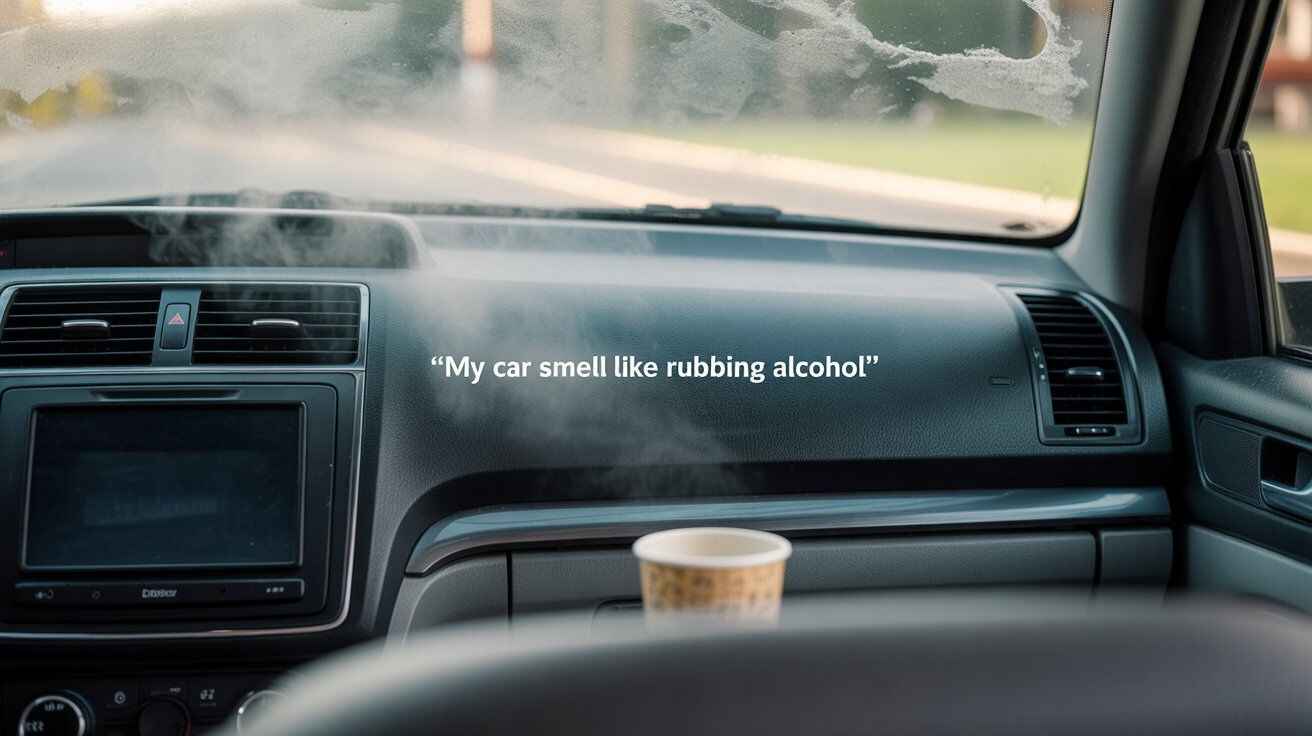
A sweet, maple syrup smell in your car usually comes from a coolant or antifreeze leak, often from the heater core, radiator, or hoses.
Why Does My Car Smell Like Maple Syrup?
Why does my car smell like maple syrup? The short answer is usually a coolant or antifreeze leak. The sweet scent you notice comes from ethylene glycol, a main ingredient in coolant that circulates through your engine to keep it from overheating.
When that fluid escapes through a worn radiator hose, a cracked heater core, or a loose clamp, it gives off the distinct sweet odor.
Common Causes of a Maple Syrup Smell in Your Car
1. Coolant Leakage
The most common reason is a coolant leak. When coolant escapes, its sweet, antifreeze odor travels through the vents or lingers under the hood. Typical leak spots include the heater core, radiator, and connecting hoses.
Besides the smell, you might notice a colored puddle—green, orange, or pink—under the car. Driving with low coolant levels can cause engine overheating and corrosion, so address it quickly.
2.Fuel Issues
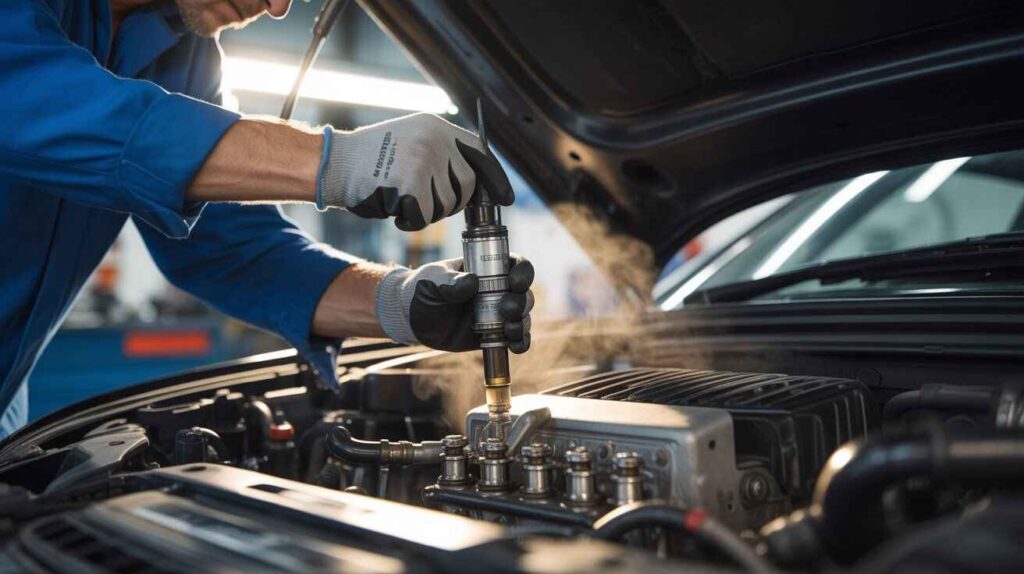
Some ethanol-blended fuels release a faintly sweet scent. If that odor mixes with fuel fumes, check for leaks near injectors or lines.
Fuel vapors are flammable and dangerous, so any sweet fuel smell should be inspected immediately.
3.Other Possible Sources
Less often, transmission or power-steering fluid may produce a mild sugary odor. Spilled soft drinks or air-fresheners can mimic the smell too, but these fade quickly, unlike a persistent coolant leak smell.
Quick DIY Checks for a Sweet Car Smell
| Step | What to Check | Why It Matters |
|---|---|---|
| 1. Locate the Smell | Sniff vents, under hood, and cabin. | Vents → heater core; hood → radiator/ hose leak. |
| 2. Check Coolant Reservoir | Inspect level and color (engine cold). | Low/discolored coolant signals a leak. |
| 3. Look for Puddles | Check under car for green, pink, orange, or turquoise fluid. | Identifies antifreeze leaks. |
| 4. Inspect Interior Carpet & Mats | Feel passenger-side carpet for dampness. | Wet spots often mean heater core leak. |
| 5. Observe Defroster & Windshield | Run defroster briefly. | Sticky film/haze indicates coolant vapor. |
| 6. Document Findings | Note color, smell intensity, and timing. | Helps a mechanic diagnose faster. |
Diagnosing the Source of the Smell
Visual Checks
Pop the hood and check for a sweet odor near the radiator or engine bay. Inspect the coolant reservoir when the engine is cold—low or discolored fluid may indicate a coolant leak.
Look under the car for colored puddles (green, pink, orange, or turquoise) signaling antifreeze loss. Inside, run the heater/defroster; a greasy film on the windshield points to a heater core leak. Feel the carpets/mats for dampness, especially on the passenger side, to confirm the source.
Professional Inspection
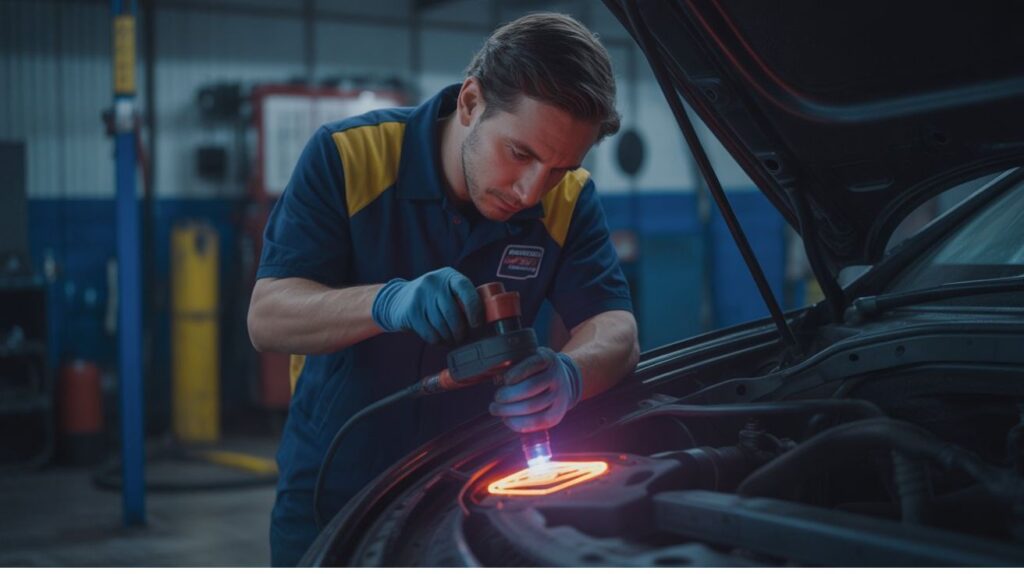
If these checks don’t pinpoint the issue, it’s time to visit a qualified mechanic. Professionals can perform a pressure test or UV dye inspection to trace even tiny coolant leaks. They may also examine fuel lines if a sweet fuel odor is present.
Watch for warning signs like engine overheating, persistent odor, or visible steam—those call for immediate attention. Prompt diagnosis prevents the minor inconvenience of a smell from turning into major engine damage.
Temporary Fixes You Can Try
| Fix | Action | Reason |
|---|---|---|
| Top Off Coolant | Add coolant when engine is cold. | Prevents overheating until proper repair. |
| Tighten Hose Clamps | Secure loose hoses or clamps. | Stops minor leaks temporarily. |
| Monitor Temperature Gauge | Keep an eye while driving. | Ensures engine doesn’t overheat. |
| Avoid Long Drives | Limit driving distance. | Reduces risk of engine damage. |
| Clean Spills | Wipe any leaked coolant. | Removes lingering syrup smell and residue. |
These are temporary measures only. A professional inspection and repair are necessary to fully fix the cause of why your car smells like maple syrup.
Solutions and Preventative Measures
Fixing Coolant Leaks
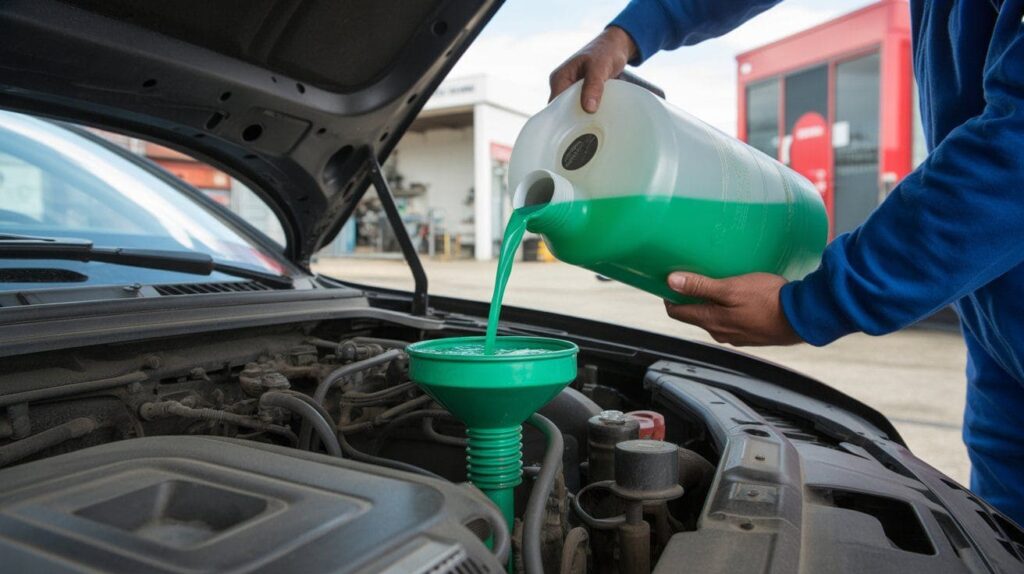
Once you’ve confirmed the cause, act quickly. For minor leaks, tighten hose clamps or replace a worn section of hose. Always refill coolant only when the engine is cool.
If the leak comes from the heater core or radiator, professional repair is best. Afterward, use the correct coolant type specified in your owner’s manual, and flush the system to remove any lingering residue that could keep that syrup smell alive.
Addressing Fuel Issues
If the odor turns out to be fuel-related, don’t drive the car. Turn off the engine and have a technician inspect the fuel injectors, filler cap, and tank lines.
A fuel leak sweet smell may seem minor but poses a real fire risk. Using quality fuel and changing fuel filters regularly helps prevent these issues.
Regular Vehicle Maintenance
Routine maintenance is the simplest way to avoid car smell like maple syrup. Schedule coolant flushes, check hoses, seals, and gaskets during oil changes, and keep HVAC filters clean.
A few preventive minutes today can spare you expensive repairs—and keep your cabin smelling like a clean car instead of Sunday breakfast.
Risks of Ignoring the Smell
Driving with a leaking heater core, radiator, or hose can lead to engine overheating, corrosion, and even complete engine failure.
Coolant contains ethylene glycol, which is toxic to humans and pets if ingested. Spilled fluid or vapor inside the cabin can pose a health risk, especially to children or animals.
If the smell comes from fuel, the danger escalates. Fuel vapors are highly flammable, and even a small leak can lead to a fire hazard if not addressed promptly.
FAQs
Q1:Is it dangerous if my car smells like maple syrup?
A: Yes. Coolant leaks can cause engine damage, overheating, and expose you to toxic fumes.
Q2: Can spilled drinks cause a similar sweet smell?
A: Sometimes, but those fade quickly. Coolant smells persist and may leave sticky residue or fogged glass.
Q3: What if my car smells like maple syrup but coolant levels are fine?
A: The leak may be small or internal (e.g., heater core). Have a mechanic inspect for hidden leaks.