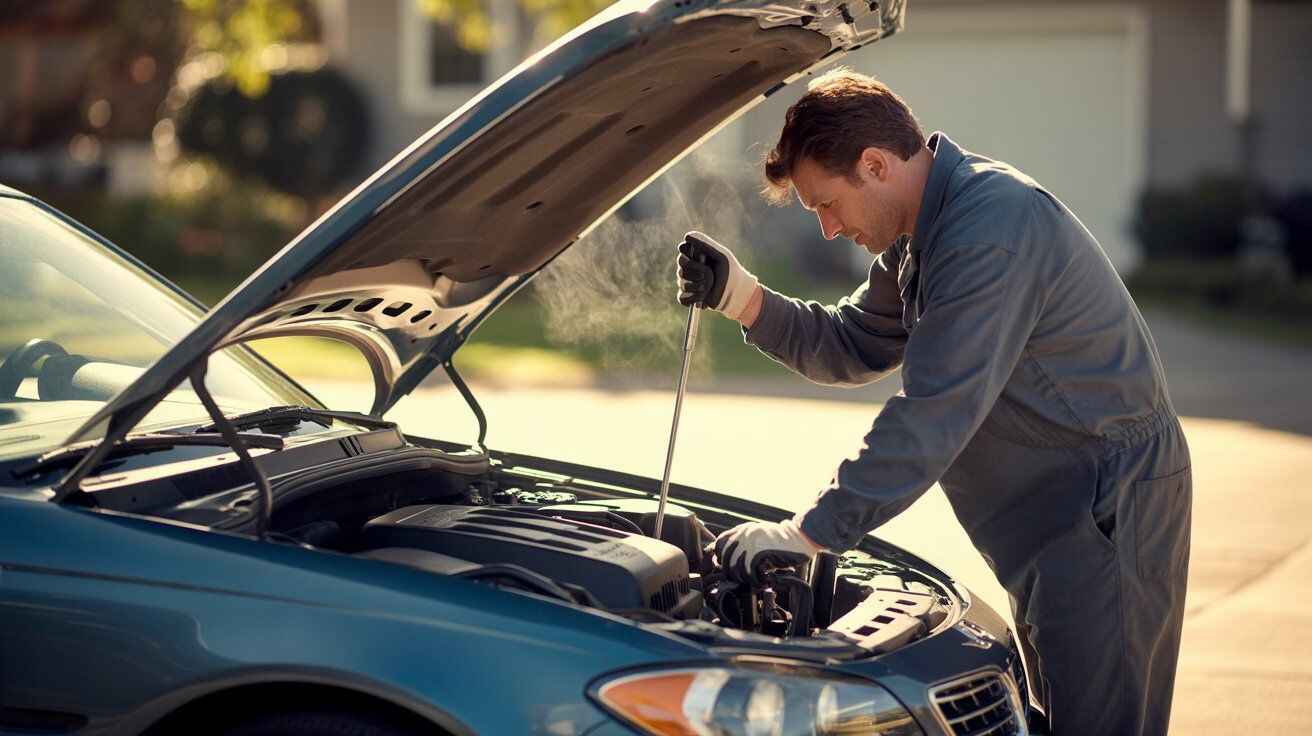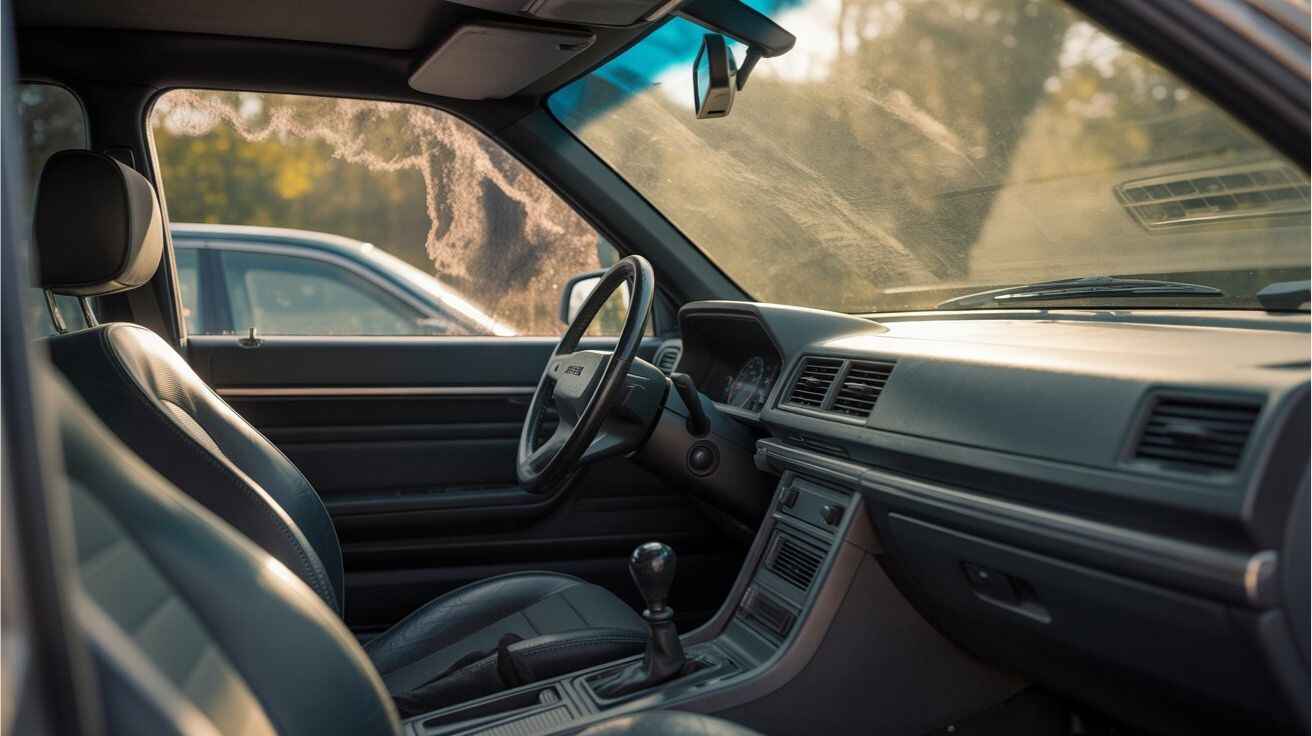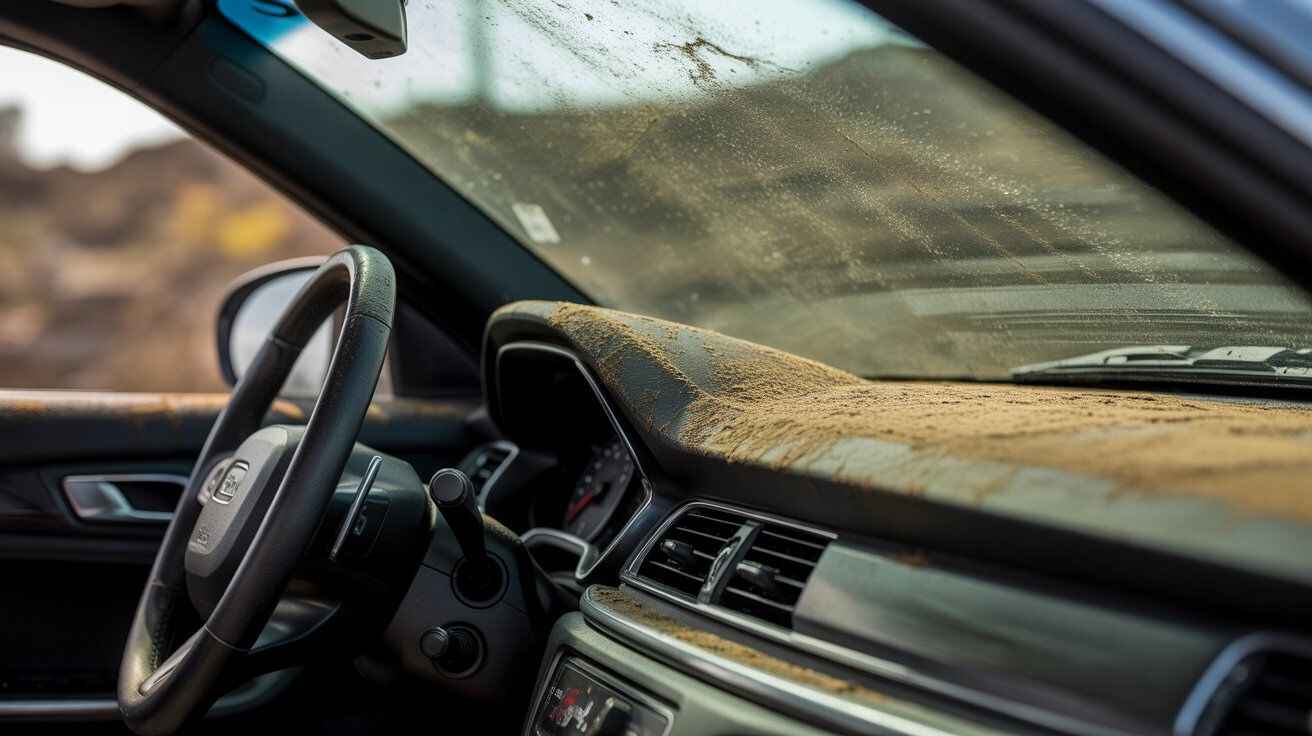
The car gets dusty inside because tiny airborne particles—like road dust, pollen, and dirt—enter through the vents, doors, and windows. A clogged cabin air filter, static on plastic surfaces, and dirt from shoes or clothes also contribute to faster dust buildup.
Why Does My Car Get So Dusty Inside?
Why does my car get so dusty inside? The truth is, your car is constantly exposed to airborne dust, fibers, and particles that find their way inside through tiny gaps, vents, and even your clothes.
Keeping a clean interior isn’t only about appearance; it also helps maintain air quality, comfort, and even the resale value of your vehicle. Understanding how dust gets inside is the first step toward keeping your cabin fresh, healthy, and easy to maintain.
Top Reasons Your Car Gets Dusty Inside
A car interior attracts dust from multiple sources—some obvious, others not.
1.Airborne particles and environment
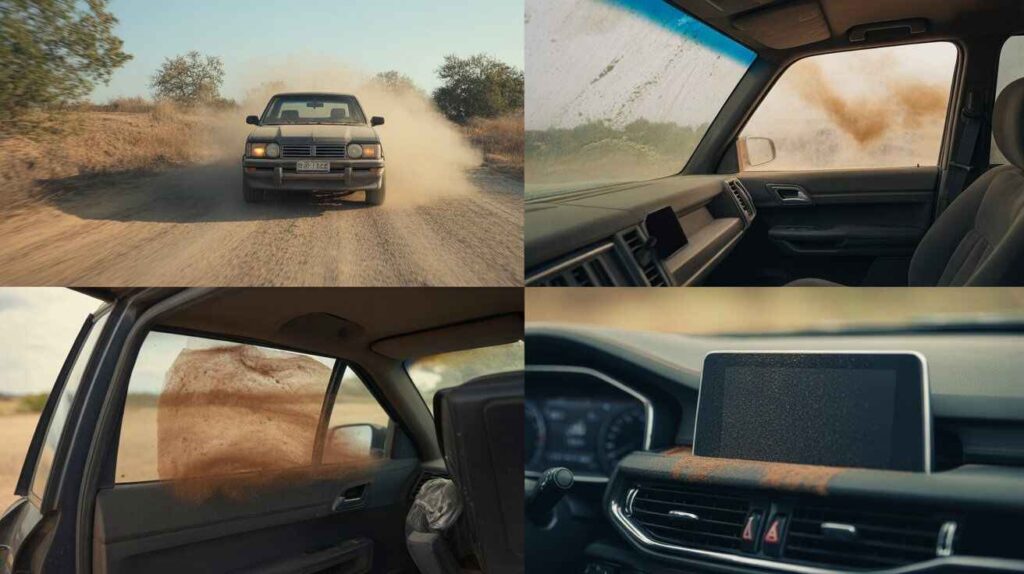
If you drive through dusty roads, near construction sites, or in dry, windy areas, fine particles enter the car’s air system or cling to exterior seals. Over time, they find their way inside.
2.Open windows and air vents
Even with the windows closed, running the HVAC system on “fresh air” can draw road dust, pollen, and debris through the intake vents.
3.Cabin air filter problems
A clogged, old, or missing filter allows dust to circulate freely through the vents, settling on dashboards and seats.
4.Interior materials and static
Plastics, vinyl, and textured surfaces create static charges that attract dust faster, especially when humidity is low.
5.Poor seals and frequent entry
Worn door seals and the constant loading of shoes, bags, or clothes introduce dust, sand, and fibers every time you enter.
How to Check a Dusty Car Inside
| Source | What to Check | Fix |
|---|---|---|
| Cabin Air Filter | Look for dirt or discoloration; weak airflow. | Replace if dirty or old. |
| Door & Window Seals | Check for cracks or gaps. | Replace worn seals. |
| HVAC System | Switch between fresh and recirculate modes. | Clean vents; use recirculate in dusty areas. |
| Interior Surfaces | Dust returns quickly after cleaning. | Use anti-static spray and microfiber cloth. |
| Floor Mats & Shoes | Dirt tracked from footwear. | Vacuum mats; use rubber mats. |
Common Reasons for Dust Accumulation
1.Open windows and sunroofs
Driving with windows or a sunroof open allows dust, pollen, and exhaust particles to swirl inside. They settle on surfaces and are difficult to remove once embedded in fabric.
2.Regular use of air conditioning
Running your AC with a dirty or clogged cabin air filter spreads fine dust throughout the car. The filter traps airborne particles, but when neglected, it stops doing its job.
3.Dirt from shoes and clothing
Every step into your car adds micro-particles from soil, sand, or fabric fibers. Over time, these break down into fine dust, especially on mats and carpeted areas. Using rubber floor mats and removing loose debris regularly helps prevent build-up.
Types of Dust Found Inside Cars
1.Environmental dust
This comes from outside—pollen, road dust, construction debris, and mold spores. It enters through vents or air leaks and coats surfaces quickly, especially during dry seasons.
2.Human-generated dust
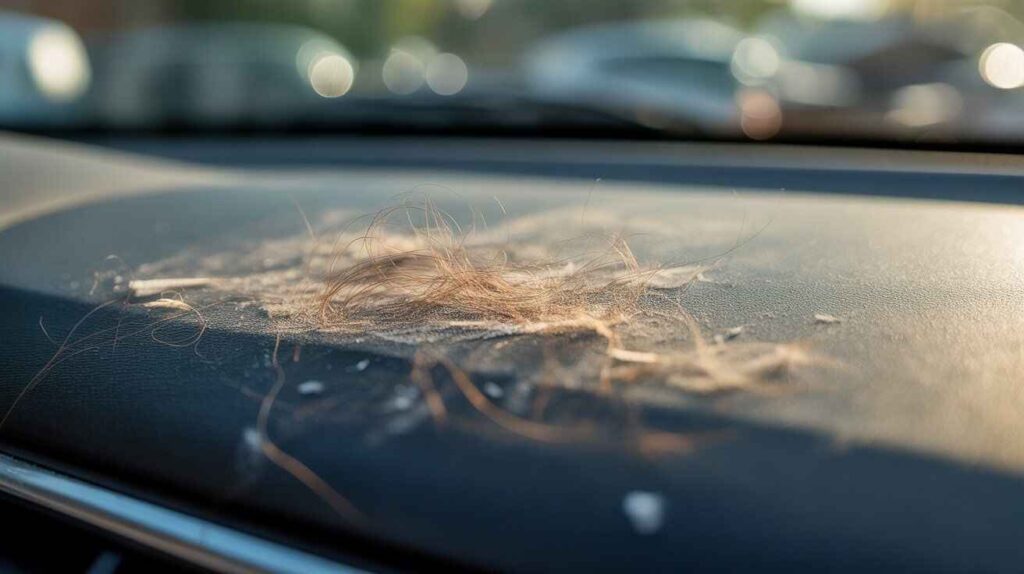
Skin cells, hair, and clothing fibers naturally shed during daily commutes. When combined with static from interior plastics, they cling stubbornly to dashboards and panels.
3.Pet hair and dander
If you travel with animals, their fur and dander can double the dust load. Pet hair holds onto small particles and redistributes them every time air moves inside the cabin. Using removable seat covers, vacuuming regularly, and brushing pets before travel keeps this in check.
How to Fix the Car Inside Dust-Free
| Quick Fix | Purpose | How It Helps Reduce Dust |
|---|---|---|
| Use a microfiber cloth | Trap and remove fine particles. | Prevents spreading dust and static buildup on surfaces. |
| Vacuum seats and vents | Clean hidden dust from crevices and HVAC areas. | Removes buildup that circulates through the car. |
| Apply anti-static interior spray | Neutralize static on plastics and vinyl. | Repels dust instead of attracting it. |
| Use dashboard and seat covers | Protect high-static areas. | Keeps dust from embedding into fabrics and surfaces. |
| Keep a microfiber cloth handy | Quick wipe-downs after driving. | Stops dust from settling between deep cleans. |
Mechanical & Maintenance Solutions
When cleaning alone doesn’t help, mechanical maintenance can make the difference.
- Replace your cabin air filter every 12,000–15,000 miles, or more often if you drive in dusty regions.
- Upgrading to a HEPA or activated carbon filter captures smaller particles and allergens.
- Clean HVAC vents and the air intake area with compressed air to remove trapped dust.
- Inspect door and trunk seals for cracks—replacing worn rubber is inexpensive and prevents dirt from entering.
These steps not only reduce dust inside but also improve air quality and extend the life of your car’s ventilation system.

Maintenance Tips to Reduce Dust
- Vacuum weekly – Clean seats, mats, and vents to remove trapped dust.
- Wipe surfaces often – Use a damp microfiber cloth on the dash and panels.
- Change cabin air filter – Replace every 6–12 months to keep air clean.
- Use covers – Seat and dash covers prevent static and buildup.
- Avoid eating inside – Crumbs and residue attract dust.
- Declutter the cabin – Store shoes and fabric items in the trunk.
- Apply anti-static spray – Helps surfaces repel dust longer.
FAQs
Q1: Why does my car get dusty so fast?
Air leaks, dirty cabin filters, and static-prone surfaces are usually to blame.
Q2: Does air conditioning make dust worse?
It can if the cabin air filter is clogged or old.
Q3: How do I stop dust from settling on the dashboard?
Use a microfiber cloth and apply an anti-static interior protectant.
Q4: How often should I replace my cabin air filter?
Every 12–15k miles or once per year, depending on driving conditions.